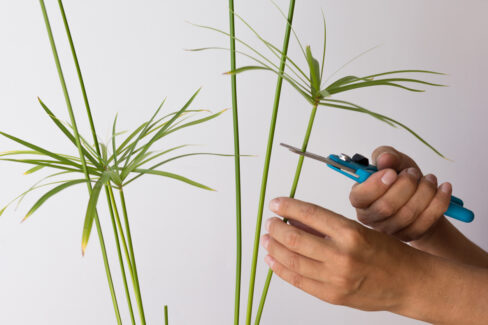
It seems like gardeners just can’t help themselves when it comes to pruning shears! We’re always looking for something to trim, shape, or tidy up. But when it comes to the unique look of Umbrella Papyrus (Cyperus), do the rules of pruning actually apply? Let’s dive in.
Umbrella Grass Doesn’t Actually Need Pruning
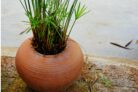
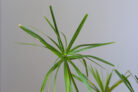
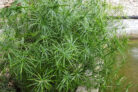
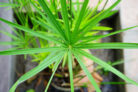
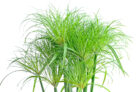
Umbrella grass grows in a very specific way: long, slender stalks topped with a beautiful “umbrella” of leaves. Depending on how happy the plant is, these stalks can get quite tall, but they never branch out. Because of this, pruning doesn’t encourage “bushier” growth like it does with a hedge. The lush, full look we love comes from new shoots constantly popping up from the base, not from trimming old ones.
In fact, “shaping” the plant with scissors usually backfires. Since the beauty is all at the very tip of the stalk, cutting it off leaves you with nothing but a naked, blunt stick that won’t regrow its leaves. The plant itself doesn’t mind a few bent or dry stalks; it’ll just keep sending up new ones right next to them.
Quick Tip:
Want your Umbrella Grass to look even more lush? Instead of reaching for the shears, try repotting it into a larger container every spring. Giving the roots more room is the best way to encourage a forest of new stalks!
When You Can (and Should) Trim
This plant is a fast grower! In the wild, it can hit heights of 8 feet in a single year. While it stays a bit more modest as a houseplant, it can still outgrow its welcome. If it’s getting too big for your space, you can definitely cut it back. Just a heads-up: wear gardening gloves, as the leaf edges can be surprisingly sharp!
- You can trim it down to whatever height you need.
- A “hard prune” (cutting it all the way to the ground) is also an option.
- Always use a sharp, clean knife or shears for a clean cut.
- Keep in mind that trimmed stalks will eventually dry out and turn brown.
- New, fresh stalks will grow in to replace them.
Quick Tip:
Stalks with “flat-top” haircuts can look a little sad. For a more natural look, it’s better to grab the longest stalks and cut them off right at the soil line rather than just trimming the tips.
Cutting Back for Winter Dormancy
Most varieties are tropical or subtropical, meaning they are not frost-hardy. They need to spend the winter indoors in a bright spot at about 60-65°F. If your indoor space has low ceilings or the plant is just too bulky, feel free to cut it back before moving it. This also helps the plant lose less moisture through its leaves, so you won’t have to water quite as often.
Once spring rolls around, go ahead and clear out any stalks that didn’t survive the winter or just look a bit ragged.
Taking Cuttings and Offsets
If you have a large variety, you might notice little “babies” or offsets growing right out of the leaf clusters. These are perfect for propagating new plants! Snip them off once they’re about 4 inches long. You can also take 8-inch cuttings from the leafy tips in early summer. The trick? Place them upside down in a glass of water to let them root before potting them in soil.