Looking to level up your backyard pond? These popular underwater plants do more than just look pretty—they’re hard workers that improve water quality and create a healthier habitat for your fish. Here’s a breakdown of the best submerged plants for your pond and what you need to know to keep them thriving.
[[pflanzen]]
++American Waterweed (Elodea canadensis)
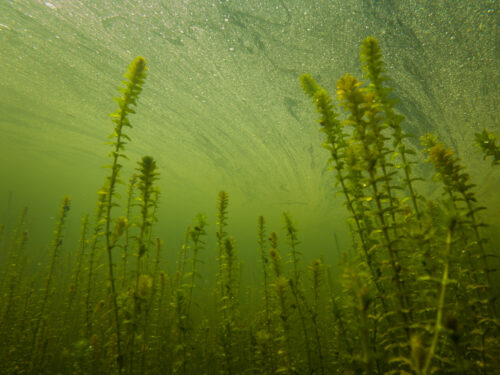
Commonly known as Elodea, this hardy plant is a powerhouse in both still and slow-moving water. It’s incredibly tough, handling cold winters like a champ, and can grow at depths of up to six feet. Most of the time, it just floats freely without needing to be rooted in soil. Starting in May, you might spot tiny white flowers peeking just above the surface. Its real claim to fame, though? It’s an oxygen-producing machine that helps keep pesky algae at bay.
++Whorled Water Milfoil (Myriophyllum verticillatum)
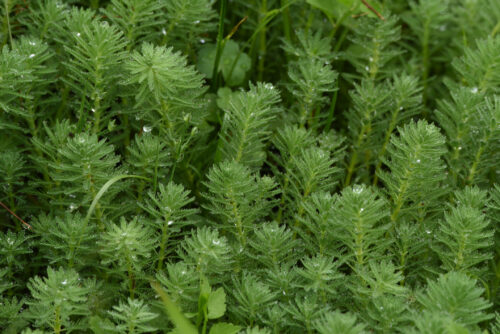
Whorled Water Milfoil is a versatile choice that works well in both still ponds and moving water. It’s happiest in nutrient-rich water that isn’t too high in lime. While most of the plant stays submerged, the tips often reach up to the surface. If you’re looking for a little extra color, this one delivers dainty, pale pink blossoms from June through August. When winter hits, the plant forms buds that sink to the pond floor to wait for spring.
++Hornwort (Ceratophyllum demersum)
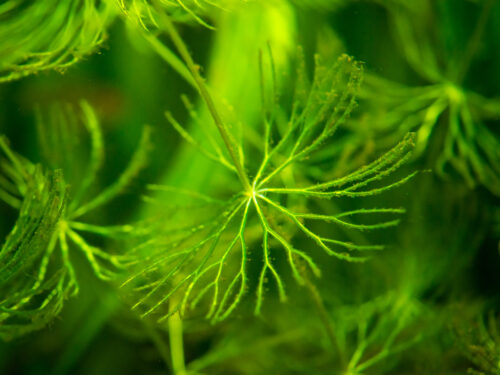
Hornwort is a true free-floater. It doesn’t grow traditional roots; instead, it uses thin filaments to anchor itself slightly to the pond bottom. Its dark green, needle-like leaves are fantastic for pumping oxygen into the water, which significantly boosts water quality and helps starve out algae. In the fall, the stems break down, but don’t worry—they leave behind material that sprouts into brand-new plants once the weather warms up.
++Water Violet (Hottonia palustris)
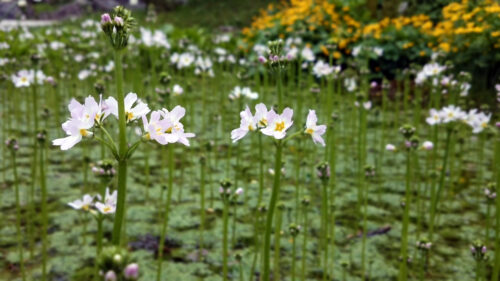
The Water Violet is a beautiful addition to any garden pond. It floats just below the surface, forming lush, cushion-like mats of fine leaves. It’s happiest at a depth of about 20 inches. Come May, it sends up lovely flower stalks that rise above the water. Interestingly, once the flowers are pollinated, they actually pull themselves back underwater!
++Water Starwort (Callitriche palustris)
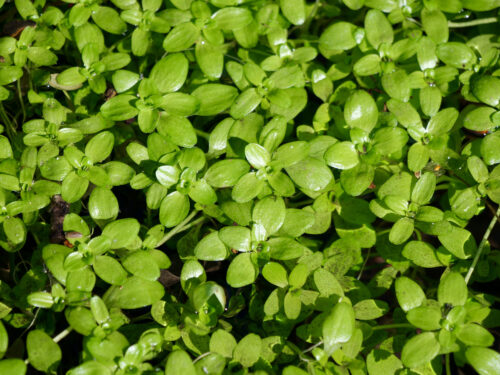
Water Starwort is a fan favorite for a reason. It creates dense, bright green carpets that stay mostly submerged. It’s best suited for still water and shallow areas—keep it at a depth of about 20 inches or less for the best results. It’s also very frost-resistant, so it can handle those chilly winter snaps without much fuss.
++Common Bladderwort (Utricularia vulgaris)
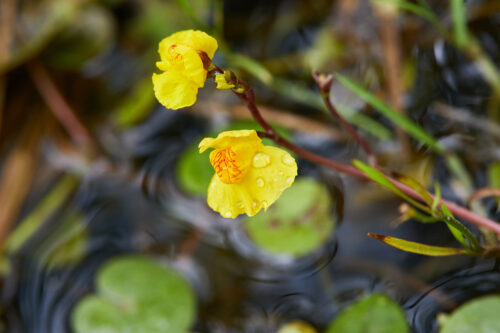
Looking for something a little more “exotic”? Meet the Bladderwort—a carnivorous underwater plant! Don’t worry, your goldfish are safe; it mainly snacks on mosquito larvae and tiny microorganisms. It’s incredibly adaptable, thriving in everything from nutrient-poor bog ponds to nutrient-rich streams. Plus, it rewards you with pretty yellow blooms starting in April.
++Water Crowfoot (Ranunculus aquatilis)
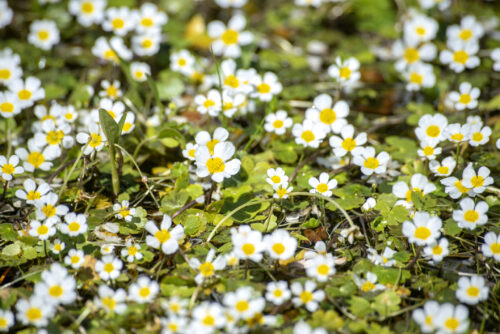
You’ve likely seen Water Crowfoot in natural streams and ponds. This member of the buttercup family floats submerged but pokes its thin tips out of the water. It grows small roots to anchor itself to the bottom and produces charming little white flowers from May through September. To keep this one happy, make sure it’s in a pond with plenty of nutrients.
++Willow Moss (Fontinalis antipyretica)
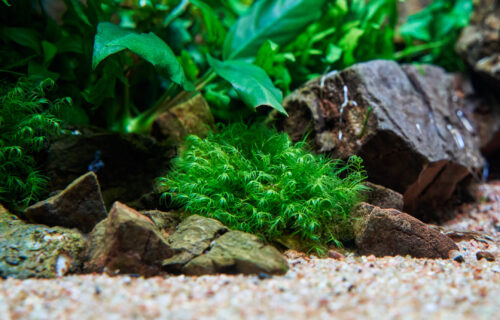
If you want something a bit unique, why not try an aquatic moss? Willow Moss is a fantastic choice. It’s a leafy moss often found in cool streams, but it’s also a favorite for aquarium enthusiasts because it’s such a great oxygenator. By keeping oxygen levels high, it helps create an environment where algae struggles to take over.