Nature is full of surprises, isn’t it? Some plants are so spectacular or just plain weird that they seem like they’re from another planet. Today, I’m diving into nine of the most fascinating, extraordinary plants out there—plus one “insider tip” that is a true survivor.
[[pflanzen]]
++Dodder, Devil’s Hair (Cuscuta)
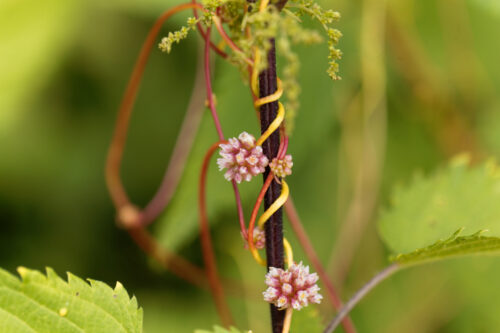
Devil’s Hair is a bit of a rebel—it doesn’t have any chlorophyll and lives entirely as a parasite. It winds itself around other plants, using tiny suction organs to tap into their nutrients. As it grows, it creates a dense web that links different host plants together. Scientists have actually discovered that this network acts like a botanical “internet,” allowing plants to send warning signals to their neighbors if insects start attacking!
++Titan Arum (Amorphophallus titanum)
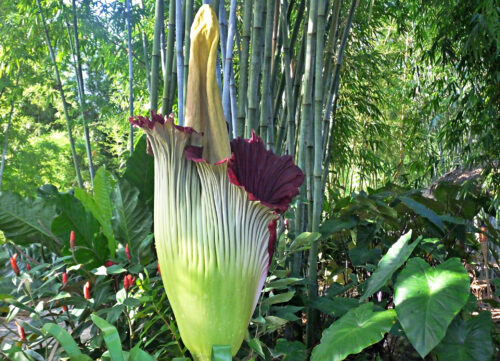
This massive plant produces what is technically the largest unbranched flower structure in the world, reaching heights of up to ten feet. If it doesn’t get pollinated, the bloom wilts in just a few days. If it does, it produces bright orange-red berries over eight months before the plant dies back. Its claim to fame? A scent that mimics rotting meat to attract carrion beetles for pollination. It’s definitely not one you’d want in a Valentine’s bouquet!
++Rafflesia (Rafflesia)
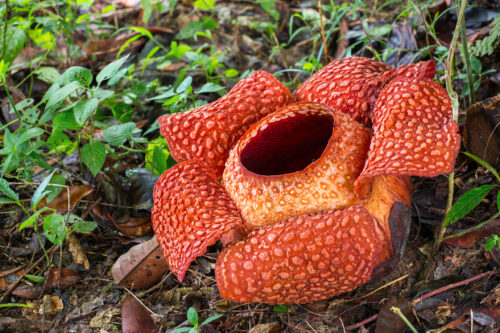
Talk about a ghost plant! The Rafflesia has no roots or leaves and lives entirely inside its host plant. You only know it’s there once a year when it produces a massive, leathery, reddish-brown flower that can be three feet wide. Like the Titan Arum, it smells like roadkill to attract flies. After just a few days, the whole thing dissolves into a thick, black slime. Nature is beautiful… and sometimes a little gross.
++European Larch (Larix decidua)
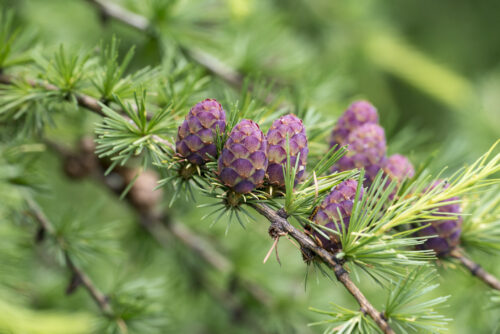
The European Larch is a bit of an oddball in the conifer world—it’s the only deciduous needle-tree native to Europe. Because it grows at high altitudes (up to 8,000 feet), it developed the unique strategy of dropping its needles to survive the extreme winter cold. It’s a tough “pioneer” species that handles both heat and cold with ease, often growing in spots where other trees just can’t hack it.
++Tulip Tree (Liriodendron tulipifera)
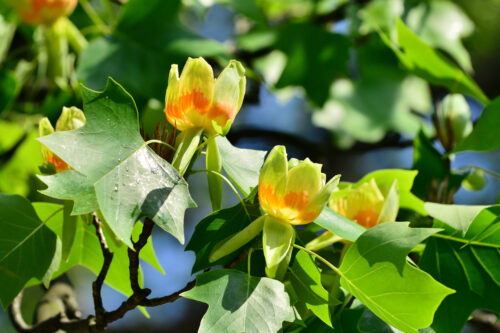
Many botanists consider this tree one of the most primitive flowering plants on Earth, with a history dating back 100 million years. The Tulip Tree blooms in late spring with gorgeous yellow, tulip-shaped flowers. They are packed with nectar, making them a favorite for bees. Plus, it’s a fast grower—don’t be surprised if it hits 13 feet tall in just five years!
++Gas Plant, Burning Bush (Diptam)
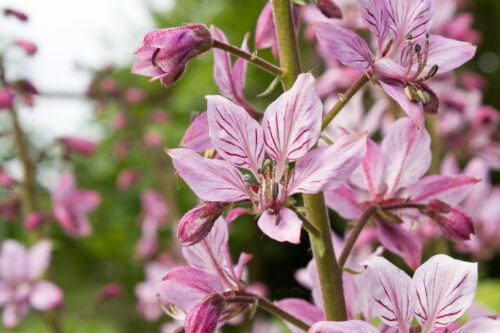
Here’s one you can actually grow in your own backyard. This shrub produces lovely pink flowers with a citrus-vanilla scent. But here’s the “cool” part: on hot days, it produces so much essential oil that it creates a flammable gas. This gas can actually ignite in the sun, making it look like the bush is flickering with blue flames for a moment. It’s a real-life “burning bush!”
++Living Stones (Lithops)
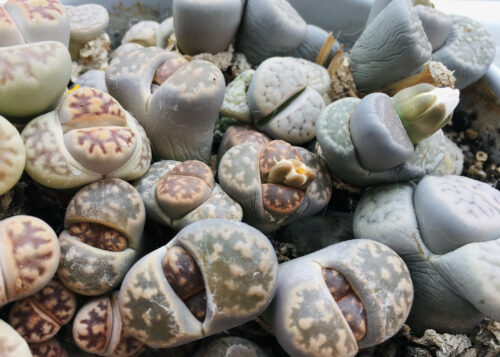
If you’re looking for the master of disguise, this is it. These succulents look exactly like pebbles to avoid being eaten by thirsty animals in the desert. They consist of two thick leaves fused together with just a tiny slit in the middle. In the fall, delicate white or yellow flowers pop out of the crack, and every spring, a brand-new pair of “stone” leaves emerges from the center.
++Snapdragons (Anthirrinum majus)
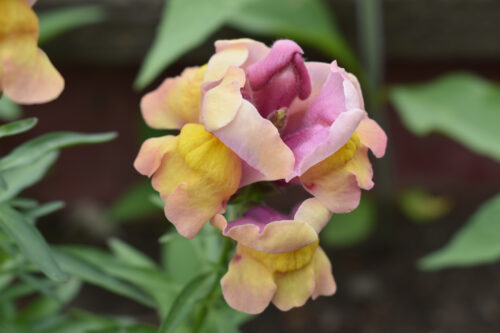
We all love snapdragons for their “talking” flowers, but have you ever looked at them once they go to seed? The dried seed pods look exactly like tiny, creepy human skulls swaying in the wind. They’ve become a favorite for DIY Halloween decor. Since they’re so easy to grow, you can have a fresh crop of “skulls” in your garden every autumn.
++Cornelian Cherry (Cornus mas)
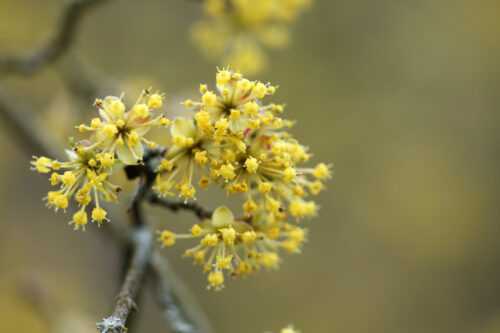
The name *Cornus* actually means “horn,” which refers to how incredibly hard the wood is. In fact, the wood is so dense that it doesn’t float—it sinks right to the bottom of a pond! Historically, it was used for things like wheel spokes and tool handles. The Cornelian Cherry is a great garden addition; it offers bright yellow flowers in March for the bees and tart, red berries later in the season.
%%Welwitschia (Welwitschia mirabilis)
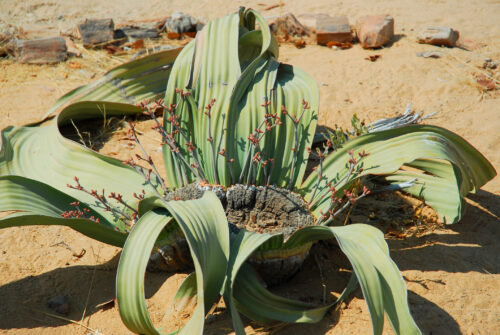
If you ever visit the Namib Desert, you’ll likely be introduced to the Welwitschia. It looks like a pile of shredded leaves, but it’s actually a relative of the conifer and has been around for 80 million years. It only ever grows two leaves, which split and fray over time. These desert survivors use a massive root system to soak up morning dew and can live to be over 1,000 years old. Talk about a green thumb!