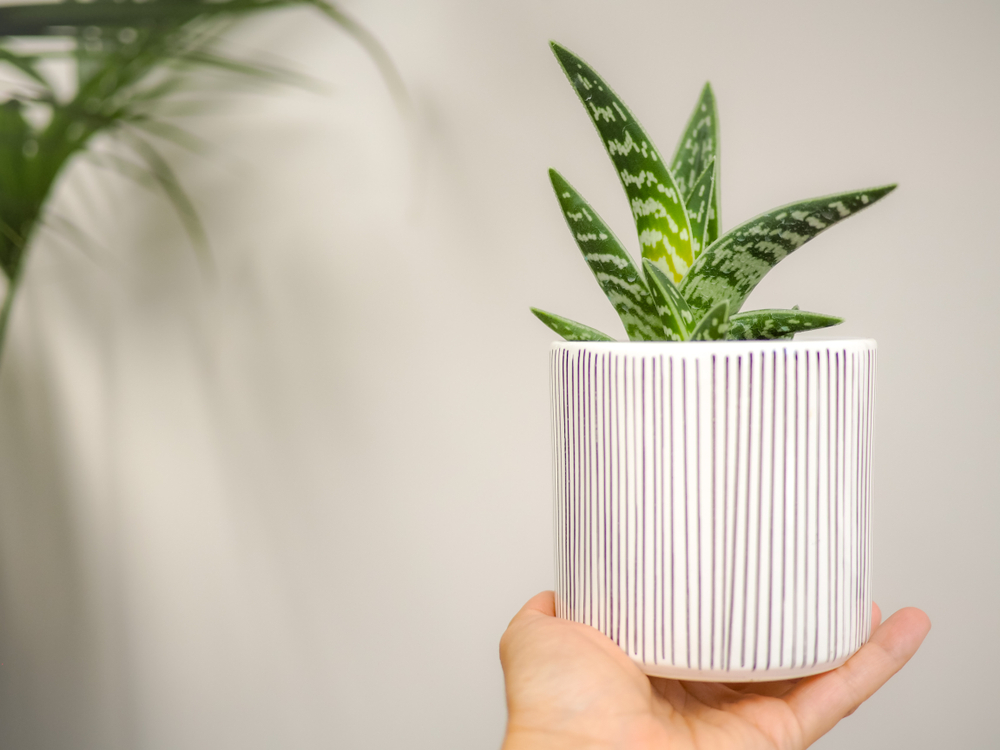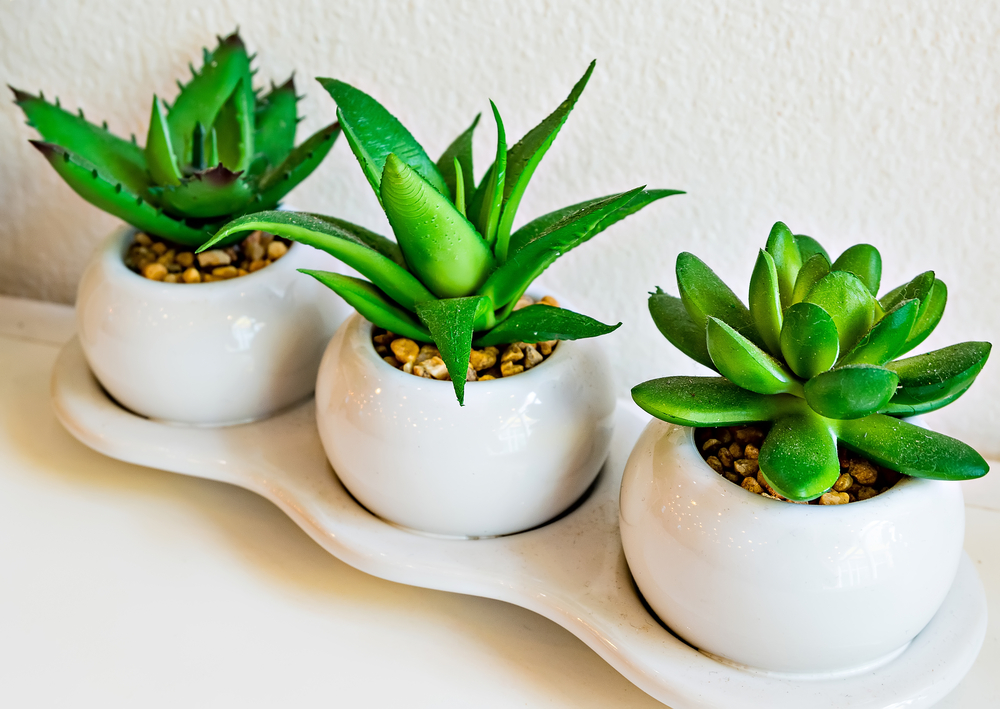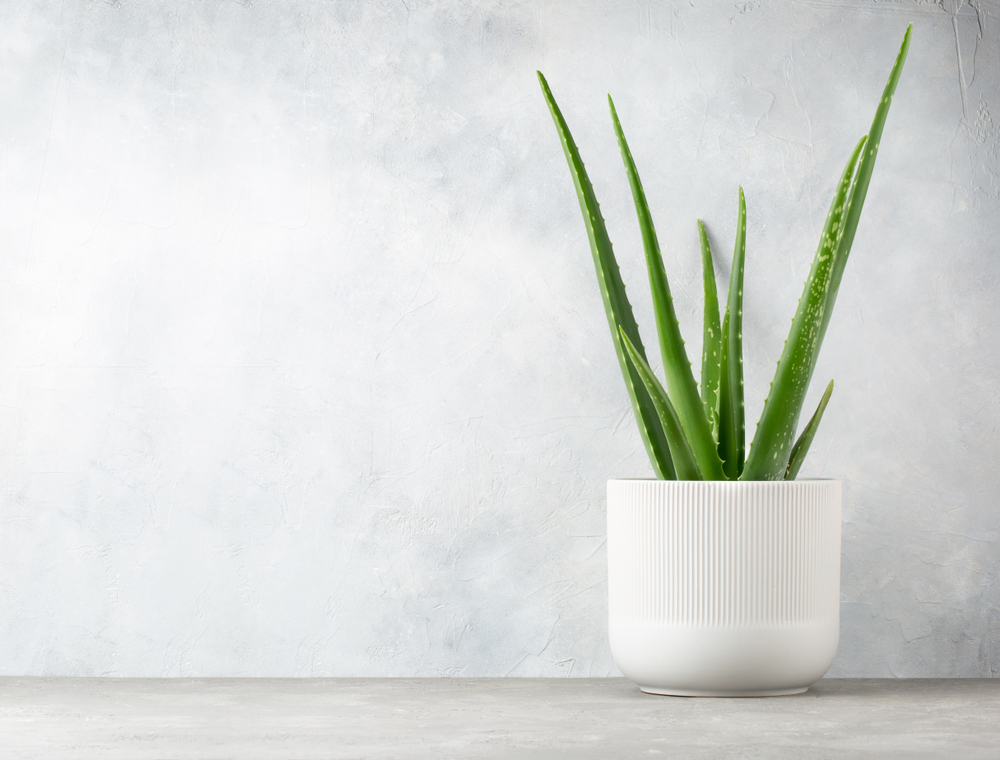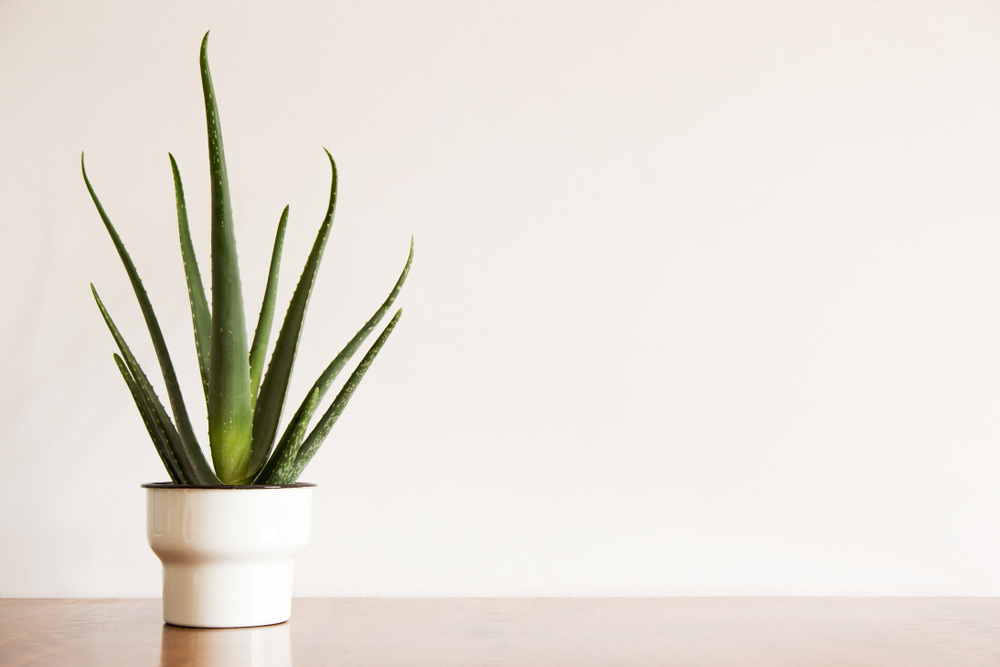
Most of us know Aloe—especially Aloe Vera—as that “miracle plant” found in soothing skin creams and sunscreens. But did you know there’s so much more to this plant than just the gel in a bottle? Many gardeners are surprised to learn what these plants actually look like in the wild, how they grow, and just how many different varieties are out there.
The Look
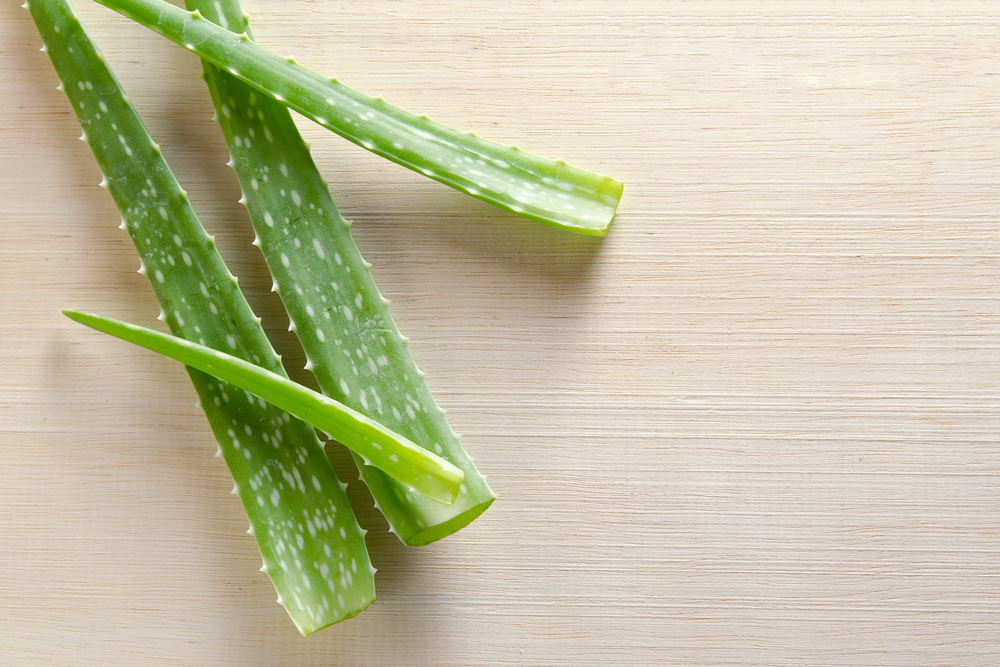
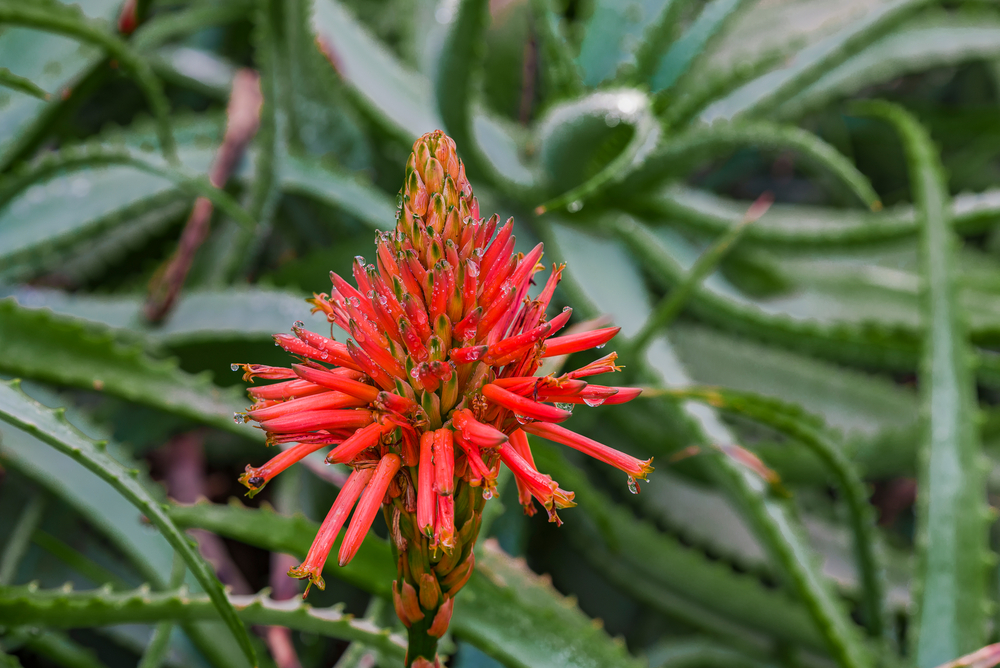
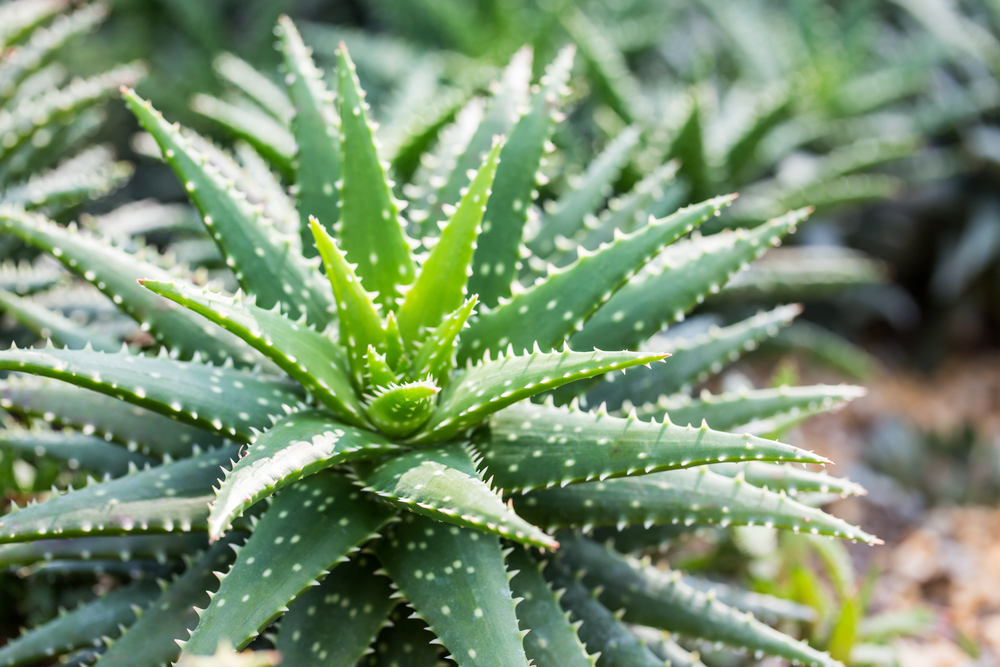
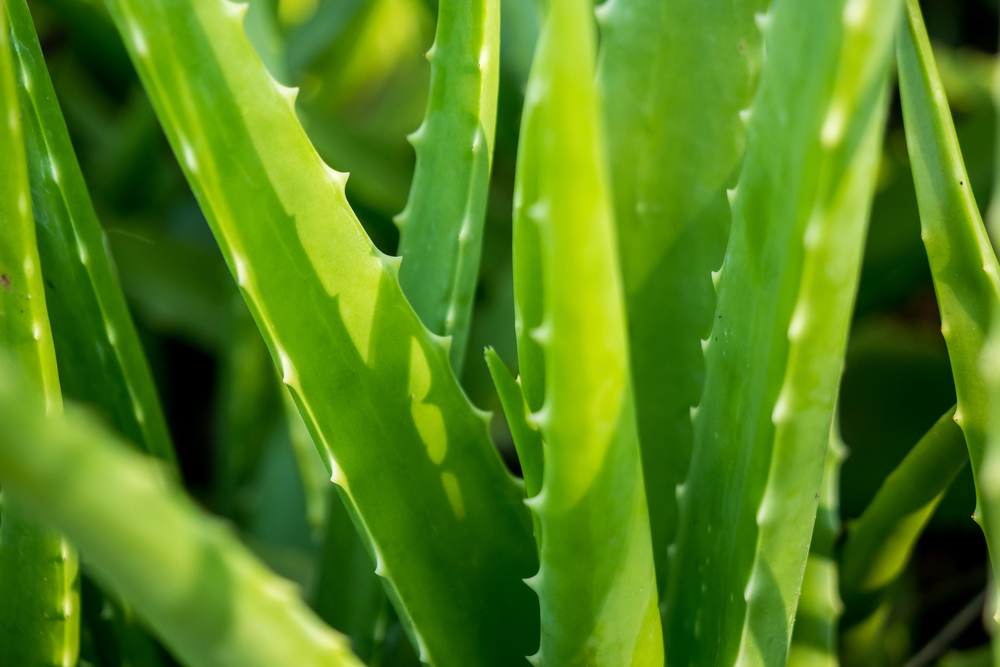
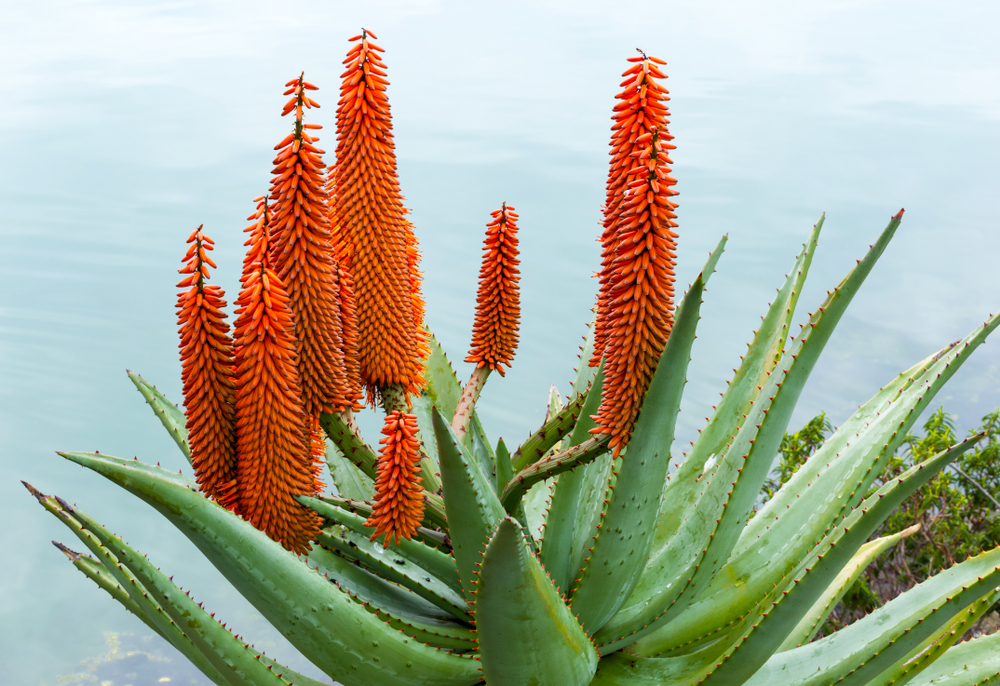
The most striking thing about an Aloe plant is its impressive rosette of leaves and, if you take good care of it, those gorgeous blooms. Because they are succulents, their leaves are thick and fleshy to store water. They usually have a triangular shape that tapers to a point, with little spikes or “teeth” along the edges. While some stay low to the ground, other species grow a sturdy trunk. When they bloom, delicate little flowers sprout on long stalks from between the leaves, showing off colors ranging from fiery red and orange to bright yellow.
Aloe Varieties
There are actually between 400 and 500 different species of Aloe! While they might look similar at first glance, they each have their own unique personality. Here’s the important part: some Aloes are highly toxic, while others are famous for their healing properties. If you’re planning on using Aloe for home remedies, it’s super important to know which is which.
Common Toxic and Non-Toxic Species
Some of the most well-known varieties include:
- Aloe africana
- Aloe arborescens
- Aloe brevifolia
- Aloe ferox
- Aloe striata
- Aloe barbadensis (The classic Aloe Vera)
Aloe africana
This one is a giant, reaching up to 13 feet tall! It features wide-spreading leaves with red thorns along the edges and on the underside. It produces beautiful yellow flower spikes, but keep in mind: Aloe africana is toxic.
Aloe arborescens (Krantz Aloe)
Growing up to five feet tall, this is one of the edible varieties known for its healing powers. It has a cool, shrub-like growth habit with multiple stems topped by leaf rosettes. The leaves are narrow and serrated, and it produces vibrant red flowers. Fun fact: this hardy plant can even handle a little bit of frost!
Aloe brevifolia (Short-leaf Aloe)
This cute succulent has pale green leaves (about 3 to 5 inches long) armed with sharp teeth. It sprouts red flowers on a foot-long stalk. You might notice side shoots popping out from the lower leaves as it grows. Just a heads-up: Aloe brevifolia is toxic.
Aloe ferox (Cape Aloe)
This species is a showstopper with dull green, thick leaves that can grow nearly 3 feet long. It’s covered in hard brown thorns on both sides of the leaves. The plant itself can reach 10 feet high, with flower clusters towering over 4 feet tall. Aloe ferox is edible and widely used as a medicinal plant.
Aloe striata (Coral Aloe)
The stem of this Aloe often has old, dead leaves near the bottom, while the healthy leaves on top are a lovely pale green. In the summer, it produces stunning coral-red flowers. Don’t let those pretty blooms fool you, though—this variety is toxic.
Aloe Vera (Aloe barbadensis)
The superstar of the family! It grows blue-green leaves with soft reddish teeth on a stem about 14 to 22 inches high. Starting around April, it can produce tubular orange-yellow flowers. It’s a great “pass-along” plant because it frequently grows “pups” or offsets next to the main stem. Aloe Vera is edible and is the go-to plant for natural healing.