I’ve put together a quick cheat sheet with everything you need to know about the Tulip Tree. We’ll dive into the most important traits, including:
- Growth and blooming habits,
- Planting tips,
- Propagation, and
- How to keep it happy with the right care.
Growth and Blooms: What to Expect
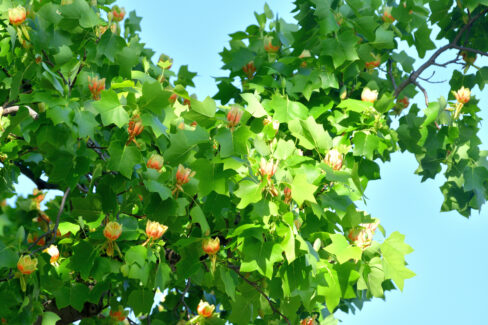
The Tulip Tree is a real giant, capable of reaching up to 130 feet tall and 65 feet wide, though they usually stay a bit more modest in backyard settings. Under the right conditions, these trees are fast movers, growing up to 2 feet per year.
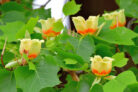
The name comes from its stunning flowers, which look remarkably like tulips. Depending on your local weather, the blooming season usually kicks off in April and wraps up by June. Just a heads-up for the impatient gardeners: it takes at least 15 years (sometimes longer!) for a Tulip Tree to produce its first bloom.
Planting Your Tulip Tree: Getting it Right
To thrive, your Tulip Tree has a few specific location requirements:
- Plenty of full sun
- Slightly acidic, moist soil
- A spot protected from heavy winds
- Lots of room to breathe (don’t crowd it with other plants!)
One thing to keep in mind: these trees have very sensitive roots and really hate being transplanted. Once they get to a certain size, moving them becomes nearly impossible, so pick your spot wisely!
How to Propagate a Tulip Tree
Fair warning: propagating a Tulip Tree is a labor of love. It’s time-consuming and doesn’t always take, so it’s best left to the pros or the very patient hobbyist. If you’re up for the challenge, you can try these two methods:
- Starting from seed
- Growing from cuttings
Essential Care Tips
To keep your tree growing strong, you’ll need a consistent care routine. Here’s your to-do list:
- Keep the soil consistently moist
- Avoid waterlogging (no “wet feet”!)
- Use a good fertilizer regularly, except during the winter
- Give it a strategic pruning in the spring or summer
- Keep an eye out for diseases and pests
Don’t Mistake It for These Look-alikes
When we talk about the Tulip Tree, we’re referring to the American Tulip Tree (*Liriodendron tulipifera*). It’s often confused with the Saucer Magnolia (*Magnolia x soulangeana*) or the African Tulip Tree (*Spathodea campanulata*). While they all have tulip-shaped flowers, they are very different plants with their own unique needs!