Looking for a superfruit you can grow right in your own backyard? Let me introduce you to the Cornelian cherry! These little berries are absolutely packed with Vitamin C, making them a fantastic healthy snack. I’ve put together a quick guide to help you get to know this unique tree and why it might be the perfect addition to your garden.
The Cornelian Cherry as a Fruit Tree
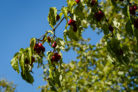
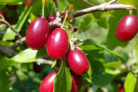
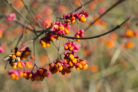
Even though it shares a name with the classic cherry, the Cornelian cherry is actually a bit of a different beast. While your standard cherries are round, these fruits are more oblong. If you try them straight off the branch, be prepared for a serious pucker—they’re quite tart and acidic! However, if you wait for the darker, riper varieties, they taste a lot like a sour Morello cherry and are much better for fresh snacking.
Fast Facts About the Cornelian Cherry
Here’s a quick “cheat sheet” on everything you need to know about this hardy tree:
- Its botanical name is *Cornus mas*, but you might hear folks call it the European Cornel or even Yellow Dogwood.
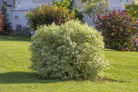
- It belongs to the Dogwood family (*Cornaceae*) and comes in a bunch of different varieties. Depending on the type, it can grow anywhere from 10 to about 25 feet tall.
- While it’s native to Central and Southern Europe, it’s a tough cookie and often grows wild in those regions.
- The leaves are a lovely green to yellowish-green throughout the summer, but they really put on a show in the fall with vibrant colors before dropping for the winter.
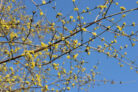
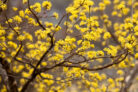
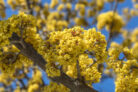
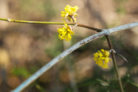
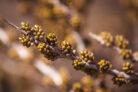
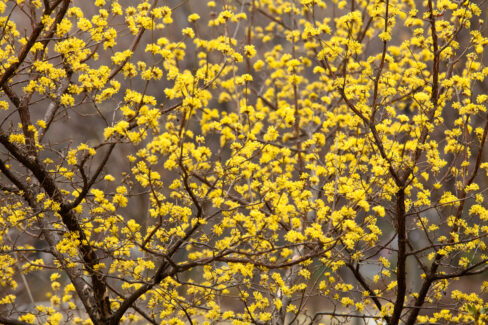
- One of the best things about this tree is the flowers! You’ll see clusters of bright, golden-yellow blossoms as early as late February through April. They’re a lifesaver for early-season pollinators like bees.
- The fruit ranges from deep red to almost black when fully ripe. Because they’re so high in Vitamin C, they’re a nutritional powerhouse. You can usually start harvesting them from late August through October.
- If you’re looking into propagating Cornelian cherries, most gardeners have the best luck with cuttings or layering, though you can grow them from seed if you’re feeling patient.
How to Use Cornelian Cherries in Your Landscape
Most people plant these specifically for the fruit, but they’re also gorgeous ornamental plants. They work beautifully as a standalone “specimen” shrub to draw the eye. Plus, they’re incredibly versatile—you can easily train them into a hedge for privacy along property lines, paths, or in larger garden spaces.
A Tasty Tradition from Austria
Here’s a fun bit of trivia: In Austria, the Cornelian cherry is affectionately called the “Dirndl.” It’s actually famous there for a specific type of schnapps called *Dirndlschnaps*, which is distilled right from the tart little fruits. Talk about a garden-to-glass experience!