When most people think of orchids, they picture tropical rainforests and humid greenhouses. But did you know we have stunning wild orchids right here in our own backyard? These hardy beauties are native to temperate climates and can make a fantastic, unique addition to your garden.
[[plants]]
++Green-Winged Orchid (Anacamptis morio)
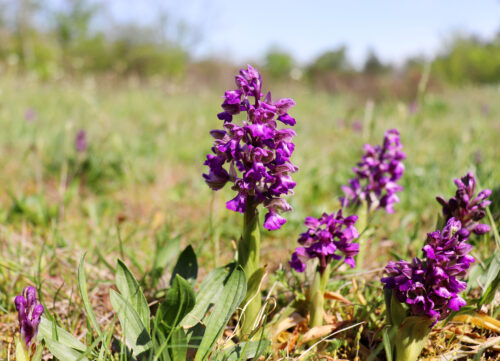
The Green-Winged Orchid is a classic meadow dweller. It’s famous for putting on a real show with a high volume of blooms on a single spike. While most of these orchids sport a deep, vibrant purple, you’ll occasionally spot lighter pink or even pure white varieties. Depending on the soil, they can stay a cute four inches tall or reach up to nearly twenty inches.
++Straw-Yellow Marsh Orchid (Dactylorhiza ochroleuca)
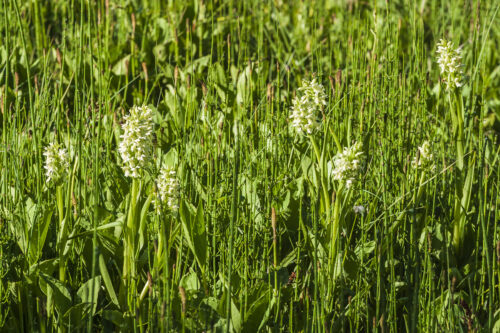
This wild orchid is a bit of a rare gem. It features dense clusters of pale yellow flowers that grow tightly along the stem. Because its natural habitat consists of wetlands and fens, it’s a bit pickier than others—if you want to grow this one, you’ll need a spot that stays consistently wet and has a more alkaline (basic) soil pH.
++Bird’s-Nest Orchid (Neottia nidus-avis)
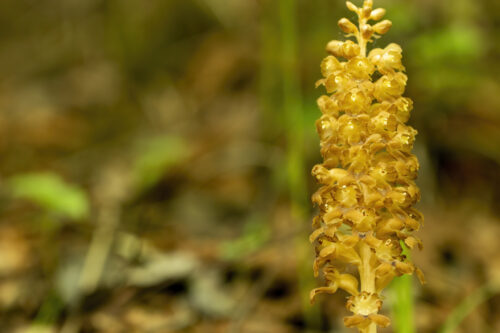
This one gets its name from its tangled, bird-nest-like root system. It’s definitely the “eccentric cousin” of the orchid family. It lacks the flashy colors of a grocery store Phalaenopsis, but its golden-brown flowers have a subtle, earthy charm. If you get close during its May to June bloom time, you’ll notice a wonderful, intense scent that smells just like honey.
++Dark-Red Helleborine (Epipactis atrorubens)
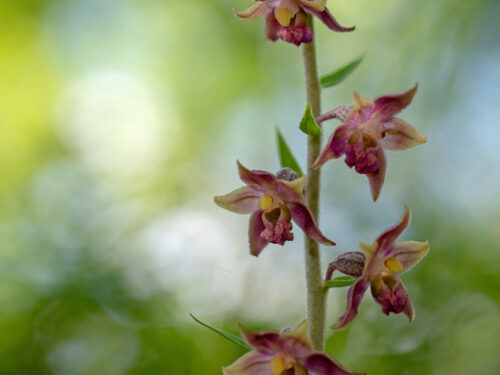
If you want a pop of color, the Dark-Red Helleborine is your best bet. Its striking purple-red blooms really stand out against green garden foliage from June through August. But the real kicker? On a warm day, these flowers release a noticeable vanilla fragrance. It’s a treat for both the eyes and the nose!
++Fly Orchid (Ophrys insectifera)
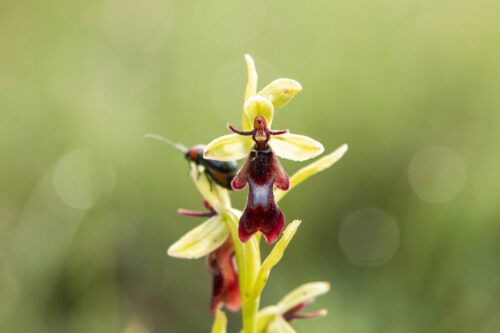
The Fly Orchid might not produce a ton of flowers, but the ones it does have are total conversation starters. They have that intricate, exotic shape that people immediately associate with orchids. With their deep, reddish-brown hues, they are particularly fond of lime-rich, chalky soils.
++Bee Orchid (Ophrys apifera)
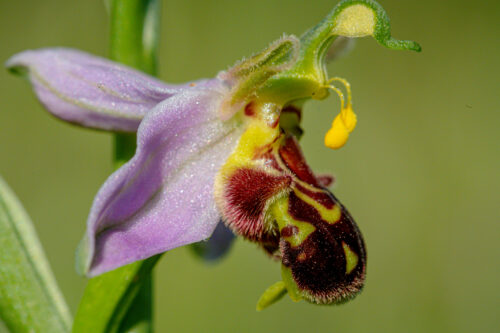
The Bee Orchid is a bit of a celebrity in the plant world, even being named “Orchid of the Year” in the past. It’s easy to see why—the flowers are absolutely stunning, with wide-spreading petals and intricate patterns designed to mimic a bee. It’s a master of disguise and a true showstopper in any naturalistic garden.
++Yellow Lady’s Slipper (Cypripedium calceolus)

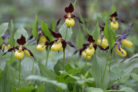
This is arguably the most famous wild orchid out there. The “slipper” part of the name comes from the large, pouch-like yellow petal that looks just like a tiny shoe, framed by elegant brown petals. These blooms can reach up to three inches across, making them the largest flowers of any native European orchid species. While they are rare in the wild, they are a favorite for Lady’s Slipper enthusiasts.
++Marsh Helleborine (Epipactis palustris)
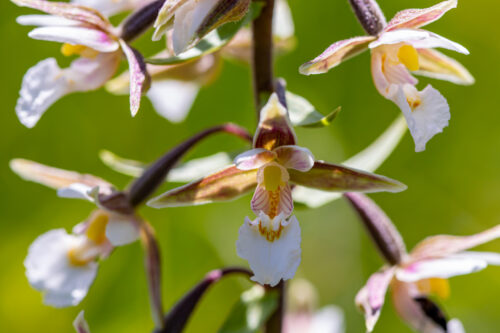
Don’t overlook the damp corners of your yard! The Marsh Helleborine thrives in wet conditions. It’s a tough survivor that spreads via rhizomes, meaning it can handle cold winters and fill out a space relatively quickly. Its multicolored flowers are dainty, beautiful, and unmistakably “orchid.”