With thousands of different species and varieties out there, trying to figure out exactly which orchid you’re looking at can feel like a total puzzle. But don’t worry! By using a simple identification key and focusing on a few key features, you can narrow things down pretty quickly.
How to Spot an Orchid
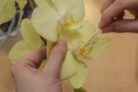
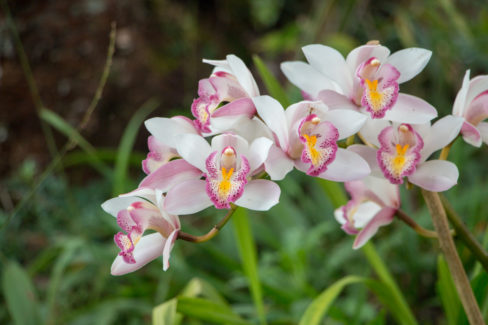
Before we dive into the nitty-gritty details, you first need to make sure the plant in front of you is actually an orchid. The secret is all in the flower structure. Here is what you should look for:
- The bloom has three outer sepals (the protective outer layer).
- Inside those, there are three petals.
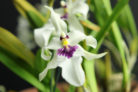
- The “dead giveaway” for an orchid is the lip (or labellum). This is one of the three petals that has transformed into a distinct, often showy landing pad for pollinators.
If the flower you’re looking at doesn’t follow this specific pattern, it’s likely a look-alike and not a true orchid. In that case, you can put your orchid ID guide away!
Identifying a Lady’s Slipper Orchid
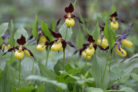
If you happen to be exploring the outdoors in Germany, you’ll only find one native species from the Cypripedium family in the wild. The is the only one of its kind native to the region. You can identify it by checking off these specific traits:
- Key 1, Leaf Arrangement: The stems are covered in leaves from bottom to top.
- Key 2, Flower Shape: The blooms do not have a “spur” (a nectar-containing tube at the back).
- Key 2a, Flower Shape: The most obvious feature is the lip, which is shaped exactly like a tiny shoe or slipper.
- Key 3, Flower Color: The blossoms usually range from yellow to brown.
If your plant checks all those boxes, you’ve likely found a Yellow Lady’s Slipper—the crown jewel of German orchids.
On the other hand, if you notice a long spur on the back of the flower (referencing Key 2), you’re probably looking at a different species entirely, such as the Fragrant Orchid (Gymnadenia conopsea).
Orchids are Protected!
A quick heads-up for my fellow nature lovers: wild orchids in Germany are strictly protected by law. If you’re lucky enough to spot a beautiful specimen in the wild, please remember: look, but don’t touch! Picking, cutting, or digging up these plants is illegal and can result in some very heavy fines. Take as many photos as you like, but leave the plant exactly where you found it. It’s the only way to make sure these stunning flowers continue to thrive for years to come.