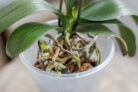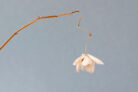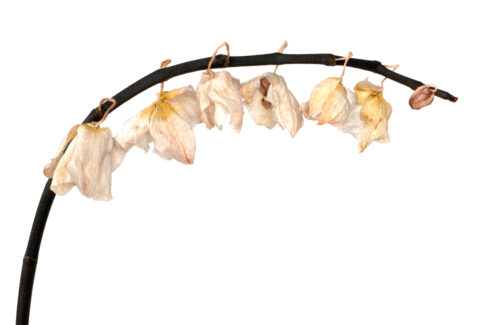
After the blooms fade, many orchid species head into a bit of a “nap” known as the dormant phase. This rest period can vary in length, but how you care for your orchid during this time is the secret sauce to getting those gorgeous flowers to return. Here are some of my favorite tips to keep your orchids happy and healthy.
The Orchid Blooming Phase
How long an orchid stays in bloom depends on a few things: the specific variety, where it’s sitting in your house, and how much love you give it. Generally, you can group orchids into two main categories:
- Single-stem (unitemporal)
- Multi-stem (multitemporal)
Single-Stem Orchids
Single-stem orchids, like the popular Dendrobium species, are “one and done” types—each stem only produces flowers once in its lifetime. Once those blooms wither, you won’t see new ones on that same stalk. While a few experts might get lucky with a second bloom using some advanced tricks, for most of us, that stem has finished its job.
Multi-Stem Orchids
On the other hand, multi-stem orchids are the gift that keeps on giving. They usually produce a second round of flowers on the same stem. The famous Phalaenopsis (Moth Orchid) is the star of this group. A single stalk can actually go through up to three blooming cycles before it finally dries up for good.
The Post-Bloom Rest Period
Most orchids need some downtime after their big show. Depending on the species, this rest period can last anywhere from a few days to several months. To help your orchid recharge and get ready for new growth, you might want to move it to a new “vacation” spot.
Instead of leaving it in its usual sunny window, try moving it to a bright but significantly cooler location. Ideally, the temperature should be about five degrees cooler than its normal spot. Just make sure it doesn’t drop below 60°F (16°C) at night, or your orchid might get a bit of a chill.
During this rest phase, go easy on the watering. I usually stick to just misting the leaves and aerial roots regularly. You should also skip the fertilizer entirely for now. That slight “cold shock” and the reduced feeding actually act as a wake-up call, encouraging the orchid to start pushing out new shoots in a few weeks.
Don’t Reach for the Scissors Just Yet!
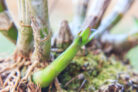
It’s tempting to tidy up your plant as soon as the flowers drop, but don’t be too quick with the shears. If the stems are still green and firm, leave them alone! Phalaenopsis orchids, in particular, have “sleeping eyes” (nodes) that can sprout new side branches loaded with even more flowers.
You should only cut the flower spike—right down near the base—once it has completely dried out and turned brown. The same goes for leaves; if they are totally withered, you can gently pluck them off with your fingers.
The Perfect Time for Repotting
The window right after the blooming phase is actually the best time to repot your orchid. Without any flowers to support, the plant can put all its energy into regenerating its roots and growing strong new leaves.