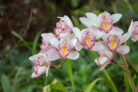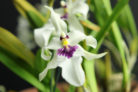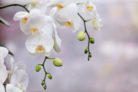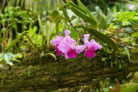
When most of us think of orchids, we picture steamy tropical rainforests. But did you know we have some stunning orchids growing right here in our own backyards? While many species hail from the tropics, Europe—and specifically Germany—is home to some incredible native varieties that thrive in the wild. Let’s take a closer look at some of these local beauties.
What Makes Native Orchids So Special?
Unlike their exotic cousins that need a humid greenhouse to survive, native orchids are tough as nails. Most of these species are completely winter-hardy, meaning they can handle frost and snow without breaking a sweat, growing outdoors all year round.
The Most Popular Native Species
If you’re out for a hike in the German countryside, keep an eye out for these well-known locals:
- Early Marsh-orchid (Fleischfarbenes Knabenkraut)
- Burnt Orchid (Brand-Knabenkraut)
- White Helleborine (Weißes Waldvöglein)
- Summer Lady’s-tresses (Sommer-Drehwurz)
- Lesser Butterfly-orchid (Waldhyazinthe)
The Showstopper: The Yellow Lady’s Slipper
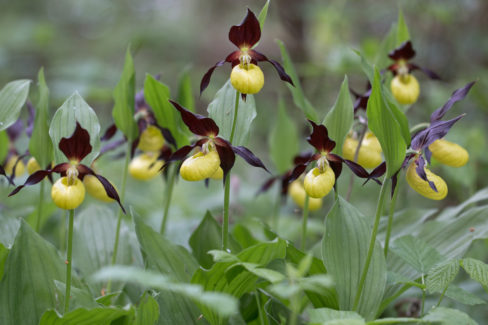
Among all the wild orchids in Germany, the Yellow Lady’s Slipper is the undisputed star. Known botanically as *Cypripedium calceolus*, it’s the only species of its genus that grows wild on German soil and handles the local climate with ease.
It’s often called the most magnificent wild orchid in all of Europe, and it even earned the title of “Orchid of the Year” back in 2010. Here’s what makes the Yellow Lady’s Slipper so unique:
- The flowers have a distinct shape, featuring four reddish-brown petals that wrap around a bright yellow “pouch” or lip.
- It boasts an impressively long blooming period. The flowers usually open in May and can stick around throughout the summer.
- As the plant matures, it forms large clumps; older plants can sometimes produce up to 40 flower stalks!
You’ll mostly find the Yellow Lady’s Slipper tucked away under deciduous or coniferous trees or growing on sunny slopes. To ensure it sticks around for the next generation, the orchid uses its vibrant colors to lure bees and other insects into a “kettle trap.” Once inside, the insects have a bit of a struggle to get back out, which ensures they get covered in pollen to carry over to the next orchid. Nature is pretty clever, right?
Look, But Don’t Touch!
It’s important to remember that all wild orchids are protected by law. Because they are endangered, it is strictly forbidden to dig them up, and even picking or cutting the flowers can result in heavy fines. So, if you’re lucky enough to spot one in the wild, grab your camera and take plenty of photos—but leave the plant exactly where you found it!