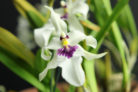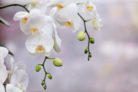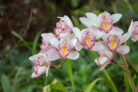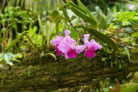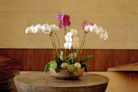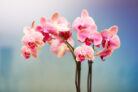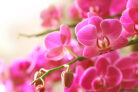
Most of the orchid species we know and love today actually hail from tropical and subtropical regions, tucked away in lush jungles and rainforests. In their natural habitat, they thrive in warm, humid conditions, often perched high up on trees or rocky outcrops. But here’s a fun fact: you don’t have to travel to the tropics to find them! Some species actually call Europe and North America home, too.
Life in the Rainforest
The very first orchids were discovered deep in tropical rainforests. To this day, many still grow as “epiphytes”—which is just a fancy way of saying they live on trees and rocks rather than in the dirt. That said, there are a few terrestrial species that prefer to keep their roots in the ground. Understanding that tropical climate is the secret sauce for successful indoor orchid care. These beauties are happiest when they’re in a warm spot with just the right amount of humidity.
Key Milestones in Orchid History
Orchids have been prized for their exotic beauty for centuries. If you’re a history buff, here’s a quick look at how they went from jungle treasures to windowsill favorites:
- As far back as 500 BC, the first written records of orchids appeared in China.
- About 200 years later, local European species (like the Marsh Orchid) were mentioned in texts for the first time.
- The first tropical orchid made its grand debut in Europe in 1615.
- In 1818, the stunning *Cattleya labiata* bloomed for the first time in captivity, causing quite a stir.
- Between 1830 and 1840, botanist John Lindley published the foundational works that basically invented modern orchid science.
Back in the 19th and 20th centuries, these exotic plants were a status symbol reserved for the wealthy. But everything changed at the turn of the 21st century. Thanks to large-scale cultivation in places like Taiwan and the Netherlands, orchids became affordable for everyone. Now, you can find them in almost any garden center, brightening up windowsills across the globe.
Orchids Native to Local Soil
Not every orchid needs a passport to get here! While we usually think of the tropics, several species are native to cooler climates like Germany and parts of North America. Some of these local gems include:
- Marsh Orchids (Dactylorhiza),
- Butterfly Orchids (Platanthera),
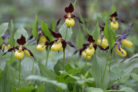
- And the stunning Lady’s Slipper (*Cypripedium calceolus*).
Orchids and Conservation
Because their natural habitats are shrinking, wild orchids are strictly protected by law. It’s actually illegal to pick, cut, or dig up wild orchids, and doing so can result in some pretty hefty fines. If you’re lucky enough to spot one while hiking, take a photo and enjoy the view, but leave the plant exactly where it is. By admiring them from a distance, we can help make sure these natural beauties stick around for generations to come!