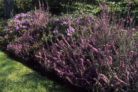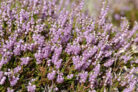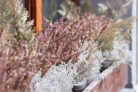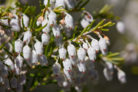
Winter heath (also known as snow heath) is a real standout because it starts showing off its colors in the very first months of the year. Since it blooms when most other plants are still sleeping, a lot of folks ask me when the best time is to get them in the ground. If you want to grow winter heath like a pro, here are my top tips for timing and planting.
Spring is the sweet spot for planting
The absolute best time for planting snow heath is in the spring, right after those winter blooms start to fade. If you’re looking to establish this perennial in your garden for the long haul, spring is also the perfect window to give it a little “haircut” (pruning) to keep it healthy.
- Getting the spacing and soil just right
Winter heath loves soil that’s a bit sandy or loamy, rich in organic matter, and moderately dry. One big heads-up: these plants hate “wet feet” (standing water) and don’t do well in soil that’s packed down too tight.
Here’s your game plan for planting:
- Give the soil a good loosening up before you start.
- Dig a hole deep enough so that the root ball will be covered by about half an inch of fresh soil.
- Give the root ball a good soak in water before placing it in the hole.
- Make sure to water your new heath thoroughly during its first month in the ground.
- If you’re using it as a groundcover, aim for about 8 young plants per square yard, spaced roughly 8 to 10 inches apart.
If you need to move your snow heath to a new spot, spring is the time to do it. Just a tip: older, established plants prefer to stay put, so try not to move the “seniors” if you can help it!
Aftercare: Keeping your heath happy
Once you’ve picked out a nice sunny spot, snow heath is actually pretty low-maintenance.
Just keep these few things in mind:
- Prune the plant back by about a third right after it finishes blooming. This is the secret to getting plenty of new buds and a lush carpet of flowers next year.
- Keep an eye on the moisture—water it during dry spells, especially if you’re growing it in window boxes.
- Feed it lightly with fertilizer from April through September.
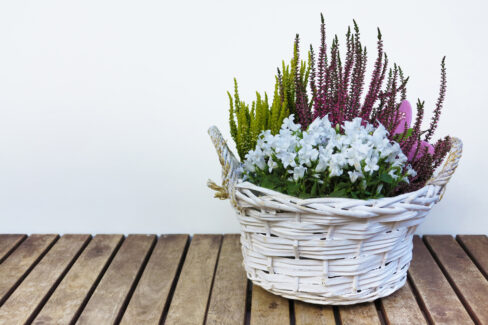
Pruning isn’t just for looks; it rejuvenates the plant and prevents it from getting “leggy” or woody in the center. And while the name “snow heath” sounds tough, don’t put store-bought young plants in the ground during a hard frost. If you want winter color on your patio, you can actually plant them in containers the previous fall to enjoy the blooms all winter long!