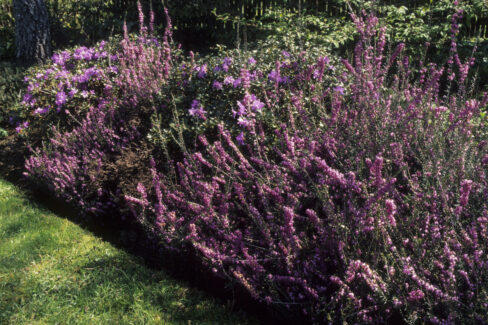
Winter Heath (also known as Snow Heath) is a total garden favorite because it brings those gorgeous pops of color as early as February. But let’s be real: once that long blooming phase is over, it looks a bit plain during the summer months. That’s actually the perfect time to give it some TLC, with pruning being your top priority.
Don’t Get Them Mixed Up!
When you’re browsing the garden center, you’ll see a lot of heathers that look almost identical. You’ll find blooming plants during the standard planting season, but also in the middle of summer. If you look closely, though, you’ll see they aren’t the same plant at all.
Common Heather (or Scotch Heather) blooms in the summer and looks a lot like Winter Heath. However, it usually grows in marshy areas with mild temps and isn’t frost-resistant. You can tell it apart by its scale-like leaves. On the other hand, Winter Heath has distinct needle-like foliage and comes from mountainous regions, making it super hardy against the cold. Pro tip: If you want blooms in your garden almost year-round, just plant both varieties side-by-side!
Essential Summer Care Tips
Right after the blooming period ends, you’ll want to prune your Winter Heath back by about a third every year. This keeps the plant from getting “leggy” or woody at the base. Plus, it encourages the plant to grow even more flowers for next year.
You can also give your plants a little boost with a light dose of fertilizer every two weeks from April through September. As for watering, you really only need to grab the hose during extreme heatwaves or dry spells, especially if they’re in a sunny spot. Of course, if you have them in window boxes or planters, they’ll need a bit more water than those in the ground.
Keep an eye on the roots, too. Winter Heath has shallow roots that can sometimes get exposed after heavy rain. If you see them peeking out, just cover them back up with some soil to keep the plant stable and protected.
Propagating Winter Heath After Blooming
Want more plants for free? You can propagate these beauties in a few different ways:
- You can grow young plants from seeds, though this isn’t very common for home gardeners.
- Layering is a great, easy option.
- You can also grow new plants by rooting cuttings.
To try layering, just take a side branch in mid-summer, bend it down, and pin it into the soil. By fall, it should have its own roots, and you can snip it off to plant it in a new spot. If you prefer cuttings, summer is also the best time to take them. Just stick them into some potting mix and keep them moist until they’ve established roots.