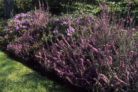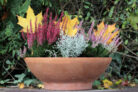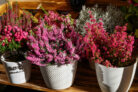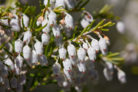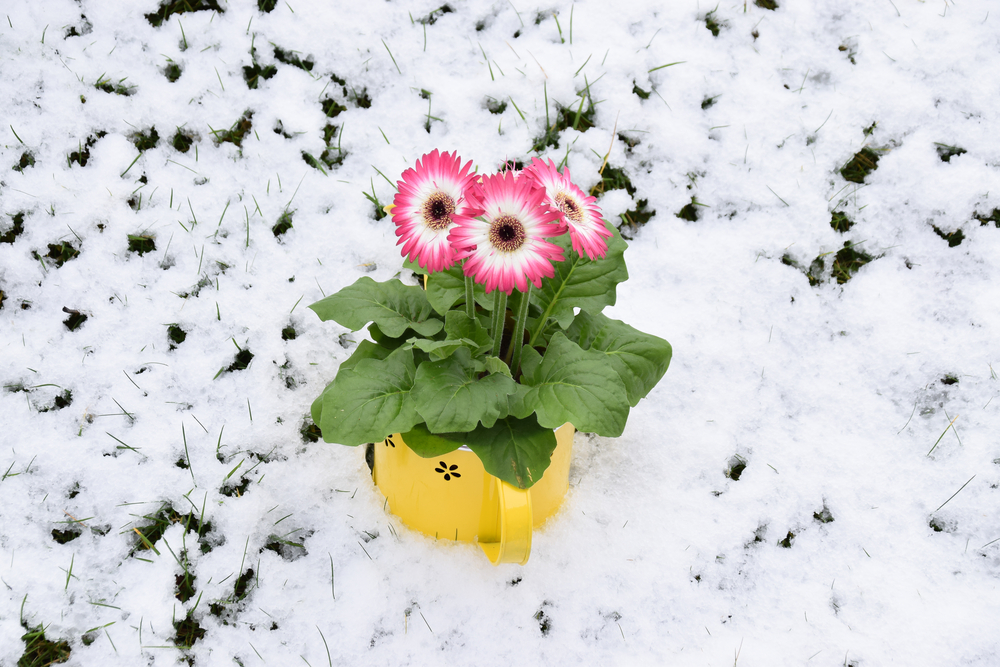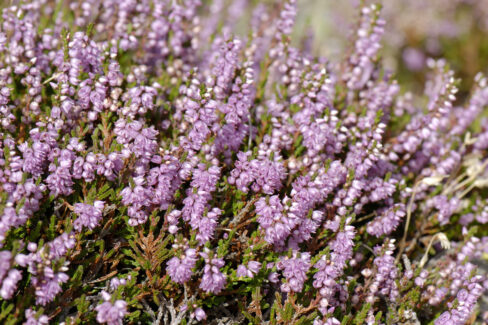
You’ll often see heathers sold in cute pots or decorative bowls at the garden center, and while they’re popular for window boxes or cemetery displays, they’re way more than just a seasonal decoration. Winter Heath—also known as Alpine Heath or Snow Heath—is incredibly hardy. With just a little bit of TLC, it can thrive in your garden as a reliable perennial for years to come.
Keeping Your Winter Heath Happy Through the Cold
Thanks to its alpine roots, Snow Heath is a champion when it comes to handling freezing temperatures. However, winter can still throw a few curveballs at this plant.
One of the biggest threats is actually dehydration during “dry freezes” (when the ground is frozen but there’s no snow cover). To prevent this, make sure you use soil with good water retention when planting your heath in the spring.
You also need to keep an eye on moisture levels during the winter. If the ground isn’t frozen, or if your planter boxes are in a sheltered, frost-free spot, give them a little drink. Just don’t overdo it—Winter Heath doesn’t like soggy feet, even in the summer. Aim for consistently moist soil around the roots. A light mulch of evergreen branches or fallen leaves can also work wonders to keep the soil from drying out too fast.
How to Ensure a Flower Explosion Next Year
Most of the time, Snow Heath will survive the winter just fine on its own, but you might notice it looking a bit sparse or “leggy” the following season. If it’s not blooming like it used to, it probably just needs a little extra attention.
Here are my favorite tricks to keep your heath looking lush and vibrant:
- Give it a trim. Pruning rejuvenates the plant and stimulates new bud growth. This keeps the plant compact and prevents those ugly bare patches in the center.
- Keep up with regular watering.
- Add a bit of fertilizer. A little boost of nutrients goes a long way in strengthening the plant’s overall health.
The best time to prune is right after the blooming period ends in the spring. By trimming it back then, you’re encouraging the plant to grow new wood and setting the stage for a massive floral show next winter. It’s the perfect way to ensure your garden gets that much-needed pop of color and a “hint of spring” early in the year!