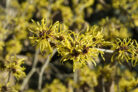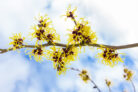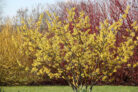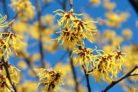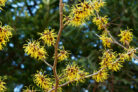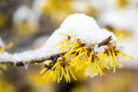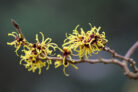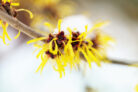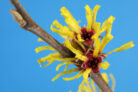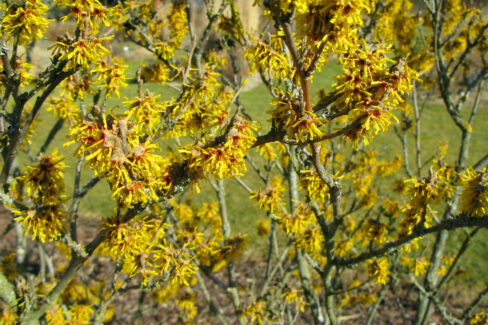
Witch hazel is famous for its unique, ribbon-like blooms that can seriously level up any garden’s curb appeal. It’s no surprise that more and more home gardeners are looking to add *Hamamelis* to their landscape. If you’re ready to get planting, here is everything you need to know to get it right.
Timing is Everything
The best time to get your witch hazel in the ground is during the fall, before the first frost hits. This gives the shrub enough time to develop those essential root hairs needed for nutrient uptake before winter sets in. If you’ve bought a container-grown plant, you can actually plant it as early as spring. These tend to be a bit more forgiving and establish themselves much more easily.
Finding the Perfect Spot
Choosing the right location is the secret to enjoying those stunning winter blooms. Before you start digging, keep in mind that witch hazel can get quite wide depending on the variety. You’ll want to budget about 170 square feet (16m²) of space for it to spread out. Witch hazels really hate being moved once they’re established; transplanting them later can cause major stress, and you might not see any flowers for several years afterward.
Pick a spot with plenty of room to grow, ideally somewhere sunny and shielded from harsh winds. They thrive in loose, well-draining soil. Because of its impressive size and structure, witch hazel works best as a “specimen plant”—letting it stand alone as a focal point in your yard.
How to Plant Like a Pro
Start by loosening up the soil in your chosen area. Dig a hole large enough to accommodate the root ball plus some compost for a little nutrient boost. A good rule of thumb is to make the hole twice as wide as the root ball. Be careful not to plant it too deep; the top of the root ball should still be visible at the soil surface. Finish off by covering the root zone with a layer of bark mulch to help lock in moisture.
In the beginning, keep a close eye on your watering. You want to make sure the plant doesn’t dry out, but be careful not to overdo it—witch hazel doesn’t like “wet feet” (standing water). Once the plant is established, you’ll rarely need to water it unless you’re dealing with a major summer heatwave. Don’t be discouraged if you don’t see flowers during the very first winter; with a little patience and the right care, you’ll be rewarded with a spectacular color show for years to come.
Planting Witch Hazel: The Quick Highlights
- Fall is the best time for planting.
- Container plants can go in the ground starting in spring.
- Give it plenty of room to spread out.
- Choose a sunny, sheltered spot.
- Fill the planting hole with the root ball and some compost.
- Make the hole twice as wide as the root ball.
- Water regularly while the plant is getting established.
- Don’t expect blooms during the very first winter.