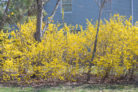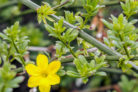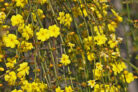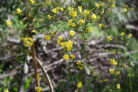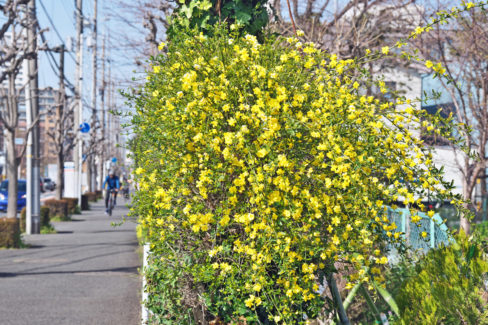
Picking the right spot for your winter jasmine makes all the difference when those blooms start popping. To make sure your plant is as happy as can be, I’ve broken down everything you need to know about:
- The ideal light and exposure
- Soil preferences
- Using it for slopes and hillsides
- When (and how) to use a trellis
The Perfect Spot
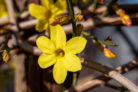
Winter jasmine absolutely loves the sun, though it’ll do just fine in partial shade too. It can survive in full shade, but keep in mind you won’t get nearly as many of those cheery yellow flowers as you would in a sunny spot. This goes for potted winter jasmine, too—make sure it gets plenty of light!
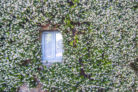
Even though this plant is pretty tough and can handle temperatures down to about 5°F (-15°C), it’s a good idea to pick a sheltered location. Planting it near a house wall is a great move. In some years, we get those extra-harsh cold snaps, and a little protection prevents the branches from freezing back too far.
Soil Requirements
One of the best things about winter jasmine? It’s really not picky about soil. The only thing to watch out for is heavy clay, which holds onto too much water and can make frost damage worse. If you want to see it really thrive, go for a nutrient-rich soil with just a touch of lime.
Planting on Slopes
If you’ve got a tricky hillside or slope, winter jasmine is your new best friend. Because its branches tend to root wherever they touch the ground, it spreads naturally and works beautifully as a groundcover. Not only does it look great, but the root system also helps stabilize the soil and prevents erosion.
Using a Trellis or Support
Most of the time, you’ll want to give your winter jasmine a little something to climb on. The only exception is if you’re using it as a groundcover—in that case, skip the support so it can spread out freely. However, you should definitely use a trellis if you are planting it:
- In a container or pot
- As a privacy screen
- Against a wall or fence
You can use a classic wooden trellis or even a simple wire system. Once you’ve tucked the first few stems into the support or tied them loosely, the plant will mostly take it from there. You’ll just need to guide the new growth every now and then to keep it looking tidy.