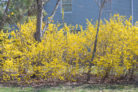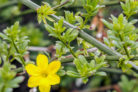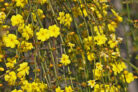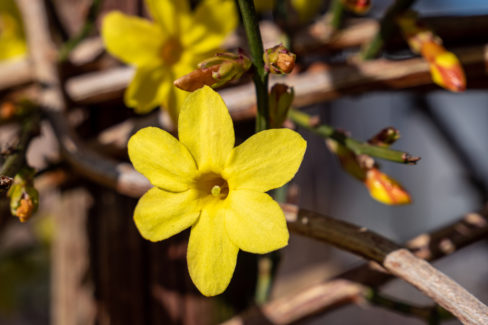
Winter jasmine is a total lifesaver in the winter, brightening up those gloomy months with its cheery yellow blooms and lush green foliage. Once you see how much life it adds to your yard, it’s only natural to want a few more plants to spread the love!
The good news? You don’t need to head back to the nursery. You can easily propagate your existing winter jasmine using these two simple methods:
- Layering (the “set it and forget it” method)
- Cuttings (the classic approach)
Propagating Winter Jasmine via Layering
Layering is hands-down the easiest way to get a new plant started. It’s called “layering” because you’re essentially taking a low-growing branch and pinning it down to the soil. Because of its trailing growth habit, winter jasmine actually does this on its own if you don’t prune it back regularly.
To do this intentionally, pick a healthy, vigorous shoot growing close to the ground and follow these steps:
- Strip the leaves off the section of the stem that will be buried.
- Use a clean knife to lightly nick the underside of that section. This “wounds” the plant just enough to trigger root growth.
- Dig a small trench about 4 inches deep.
- Lay the branch into the trench and secure it with a landscape staple, a heavy rock, or a notched stick.
- Fill the hole back in with soil and give it a good drink of water.
- Once the new plant has established a strong root system, use a sharp spade or garden shears to snip the connection to the mother plant.
- Now you’re ready to transplant your brand-new winter jasmine to its permanent home!
Propagating Winter Jasmine via Cuttings
You can also grow new plants using cuttings (sometimes called slips). For the best results, look for a “semi-ripe” shoot—one that has already flowered and is starting to turn woody rather than staying soft and green.
Snip off a piece at least 8 inches long and tuck it directly into the soil. You can start these in pots if you want to keep a close eye on them, but it’s not strictly necessary. Just make sure the spot isn’t too chilly. If a late frost is in the forecast, be a pal and cover your little cuttings with some garden fleece or a cloche to keep them cozy.
When is the Best Time to Propagate?
The timing depends on which route you take. If you’re going with the layering method, you can pretty much do it year-round, though right after the blooming season is the sweet spot. If you prefer taking cuttings, aim for early summer for the highest success rate.