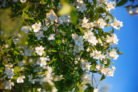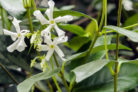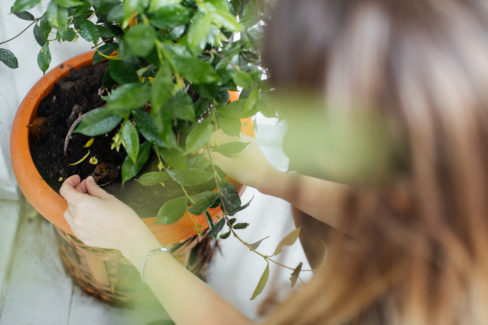
Jasmine is a total showstopper in the garden, showing off lush green foliage all summer long before dropping its leaves for a winter nap. But if you notice those vibrant leaves suddenly turning yellow, it’s usually a sign that something’s up. Let’s dig into the most common reasons why your jasmine might be feeling a little blue (or, well, yellow).
Deciduous vs. Evergreen Jasmine
Most jasmine varieties we grow around here aren’t fully hardy, meaning they’ll flaunt green leaves all summer and then shed them when the cold hits. On the other hand, evergreen varieties—like certain types of Star Jasmine—stay green year-round. However, even these tough plants can occasionally surprise you with a yellow leaf or two if they aren’t happy.
Common Culprits for Yellow Leaves
If your jasmine starts sporting yellow leaves, it’s usually the plant’s way of telling you its care routine needs a tweak. Here are the usual suspects:
- The wrong spot in the garden,
- Watering issues (too much or too little),
- A lack of nutrients, or
- Uninvited pests.
Location, Location, Location
For the most part, jasmine isn’t too picky about where it lives. That said, it absolutely craves light. These plants are sun-worshippers! If your jasmine is stuck in a spot that’s too dark or shady, it’ll often protest by turning its leaves yellow.
Getting the Moisture Just Right
Jasmine likes its soil like a well-wrung sponge—consistently moist but never soggy. The biggest “no-no” is standing water, which can lead to root rot. During those hot summer months, your jasmine will also appreciate a little extra humidity, so feel free to give the whole plant a light misting every now and then.
Nutrient Deficiencies
If the soil is running on empty, your jasmine won’t have the energy to keep those leaves green. To keep it thriving, feed your plant regularly with a standard all-purpose fertilizer. Just follow the dosage instructions on the package, and you’ll be good to go.
Pest Problems
While it doesn’t happen too often, yellow leaves can sometimes signal a pest infestation. Usually, you’ll see other clues too, like tiny white or black spots on the foliage. It’s a good habit to give your jasmine a quick “check-up” every week so you can catch any creepy-crawlies before they move in permanently.
Don’t Panic: Yellow Leaves in the Fall
If you see yellow leaves popping up in autumn right before the first frost, take a deep breath—it’s totally normal! Since many jasmine varieties are not cold-hardy, they naturally shed their leaves to prepare for winter dormancy. Come springtime, you’ll see those beautiful fresh green shoots starting the cycle all over again.