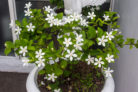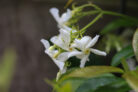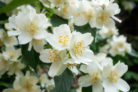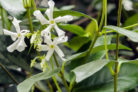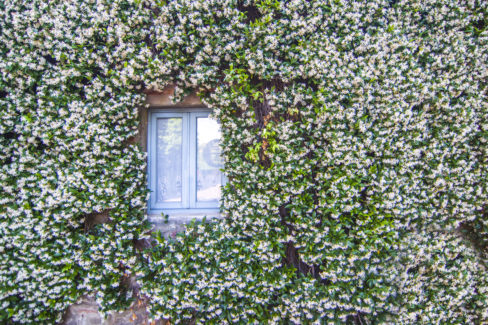
Jasmine is a classic climber that can reach some pretty impressive heights and widths if you let it. Whether you’re growing it in your backyard or keeping it as a houseplant, I’ve put together some helpful tips to keep your jasmine happy, healthy, and growing strong.
The Different Varieties of Jasmine
While we usually think of jasmine as a climbing vine, some varieties actually grow more like shrubs. Before you get started with planting your jasmine, it’s a good idea to check the specific growth habit of the variety you’ve chosen. That way, you can pick the perfect spot where it has plenty of room to do its thing.
How High Can These Climbers Go?
Jasmine originally hails from the warm, tropical regions of Asia. In its native habitat, it doesn’t have to deal with frosty winters, so it can just keep branching out year-round. It’s not uncommon to see jasmine hit heights of up to 30 feet over there! However, since most jasmine varieties aren’t fully winter-hardy in our neck of the woods, they need to be overwintered properly. Because of this seasonal move, they usually won’t reach those massive tropical heights here.
Choosing the Right Trellis
Since jasmine is a natural climber, it needs a sturdy support system to head skyward. If you’re keeping jasmine as a houseplant, you can find some really cute small-scale supports made of:
- Bamboo,
- Wood,
- Plastic,
- Metal, or
- Wrought iron.
If you’re growing your jasmine on a balcony or patio, railings and exterior walls make excellent natural supports. You can also use standard garden trellises. Just keep in mind that outdoor jasmine tends to grow much more vigorously than indoor plants, so make sure your trellis is big enough to handle the extra growth!
Pruning Your Climbing Vine
Generally speaking, you only *need* to prune jasmine if it’s getting a bit too wild or tangled for your liking. You can easily snip back unruly branches with a pair of garden shears. However, if you want a fuller, bushier look, I recommend regularly cutting back older shoots. This encourages the plant to sprout new growth and more flowers just below where you made the cut.
Overwintering Large Climbers
If you have a particularly tall or wide jasmine plant, moving it indoors for the winter can be a bit of a project. When you’re digging it up in the fall or replanting it in the spring, try to be as gentle as possible to avoid damaging the vines or the roots. Keep in mind that larger plants have much more extensive root systems and will need a bit more “elbow room” in their winter quarters.