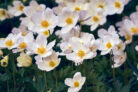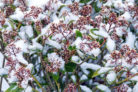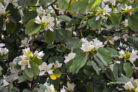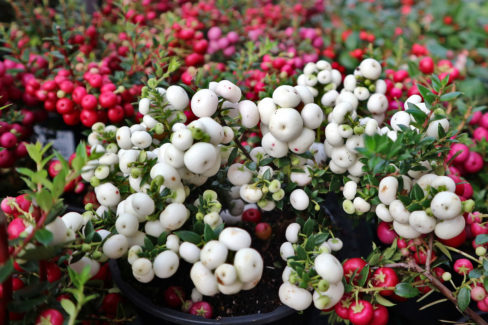
The wintergreen (Gaultheria procumbens) is such a charming little plant. It keeps its glossy green leaves all year round, shows off delicate blooms in the summer, and then treats us to those iconic, bright red berries that glow all through the winter. With a resume like that, you’d expect it to be pretty tough when the temperature drops, right? Well, you’d be spot on!
Cold Roots, Cold Home
Wintergreen belongs to the heath family, and while it’s a favorite in gardens everywhere, it’s actually a North American native. Its original stomping grounds stretch from the northern U.S. up through Canada (and some species even hail from the Himalayas). These are all regions that know a thing or two about a deep freeze. Because of its heritage, the wintergreen doesn’t panic when its roots get chilly; it’s built to handle the frost.
It Can Handle the Deep Freeze
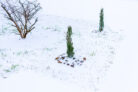
In most cases, wintergreen is a “set it and forget it” plant for the winter. It can easily withstand temperatures down to -5°F (-20°C) without any extra help. If you’re expecting an unusually brutal cold snap, or if you’ve just put a young plant in the ground, you can toss a few evergreen boughs or some brush over it for protection. Just don’t leave it covered all winter—since it’s an evergreen, it still needs a bit of light to stay healthy!
Wintering in Pots and Containers
If you’re growing your wintergreen in a pot, the roots are a bit more exposed to the elements. However, whatever you do, don’t bring it inside! Our heated homes are way too toasty for this cold-loving plant. It’s much happier staying outdoors. If a particularly rough winter is on the horizon, you can give your potted wintergreen a little “winter coat” with these tips:
- Move it to a spot sheltered from harsh winds.
- Wrap the pot in burlap or garden fleece for insulation.
- Elevate the pot on a wooden pallet or a piece of Styrofoam to keep it off the freezing ground.
- Add a layer of mulch or dried leaves to the top of the soil.
- Tuck some pine branches around the foliage.
Pro Tip:
Stop fertilizing by August. You want to discourage the plant from putting out tender new growth late in the season. Those fresh shoots won’t have enough time to “harden off” before the first frost, making them likely to freeze and die back.
Don’t Forget the Water!
Since wintergreen keeps its leaves and berries all winter long, it’s still “breathing” and losing moisture through evaporation. If the ground is frozen solid for a long time (what we call a “dry freeze”), the plant can’t pull up water and might actually dry out. Make sure to give it a drink on days when the ground isn’t frozen, especially if it’s living in a container.