When it comes to cypress trees, there isn’t a one-size-fits-all rule for winter hardiness. Even the pros sometimes argue about exactly how many degrees below zero it takes to push these beauties over the edge! One thing is for sure, though: the specific environment in your yard makes a huge difference. If you’re a cypress owner, that’s actually great news because it means there’s a lot you can do to help them thrive.
A Sheltered Spot Makes All the Difference
While many cypresses are considered hardy, they definitely have their limits when the mercury drops. In areas with harsh winters, they can get into trouble pretty quickly. Most experts recommend planting your cypress in a milder region or, at the very least, picking a spot in your garden that’s shielded from those biting winter winds. Here’s a quick look at the cold-tolerance levels for some of the most popular varieties when planted in an ideal spot:
- Arizona Cypress: down to -4 °F (-20 °C)
- Leyland Cypress: down to 5 °F (-15 °C)
- Italian Cypress (Mediterranean): down to 14 °F (-10 °C)
- Yellow Columnar Cypress: down to 5 °F (-15 °C)
- Kashmir Cypress: down to 14 °F (-10 °C)
- Lawson Cypress (False Cypress): down to 5 °F (-15 °C)
- Siskiyou Cypress: down to 1 °F (-17 °C)
Quick Tip:
As tempting as it is, try not to bring a cypress home as a souvenir from a vacation in Italy or Greece. Trees raised in those warm Mediterranean climates aren’t used to our chilly winters and usually won’t be nearly as frost-hardy as ones from a local nursery.
Winter Protection for Trees in the Ground
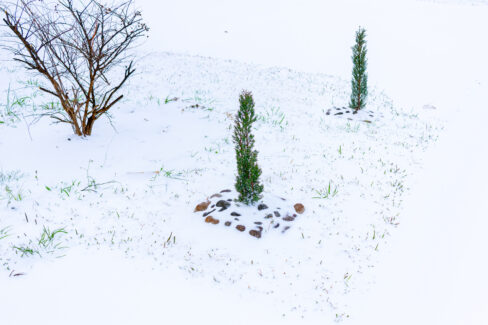
If you live in a mild area where temperatures rarely dip into the single digits, your cypress is likely winter-ready and will do just fine on its own. However, if your winters get a bit more “authentic,” it’s better to be safe than sorry. Here’s how to bundle them up:
- Protect the root zone with a thick layer of mulch. This keeps the soil warm and prevents it from drying out too fast.
- Wrap the crown for warmth using burlap, cotton sheets, or garden fleece.
- You can also use brushwood or evergreen boughs for extra protection.
- Avoid using plastic wrap! It doesn’t breathe, which creates moisture buildup and leads to rot.
Quick Tip:
If you are growing cypresses from seed or planting very young saplings, give them extra protection for the first few years, even if you live in a mild area. They need a little extra TLC while they’re still “babies.”
Wintering Potted Cypresses
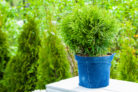
Keep in mind that a potted cypress is not naturally winter-hardy. Once temperatures drop below 40 °F (+5 °C), the roots are at risk. If you can’t move the pot to a bright, cool indoor spot like a garage or sunroom, follow these steps:
- Move the pot right up against a house wall for warmth.
- Ideally, keep it under a roof or awning.
- Place the pot on a piece of Styrofoam or wood to insulate it from the frozen ground.
- Wrap the foliage in fleece or burlap just like you would for a tree in the ground.
Don’t Forget the Water!
Frost isn’t the only thing your cypress is fighting in the winter. We often forget that because they are evergreens, they continue to lose moisture through their needles all winter long. While mulch helps keep moisture in the soil, a long dry spell can still cause problems. Potted plants are especially vulnerable since they don’t get any moisture from the surrounding earth.
- Keep watering your cypress during the winter.
- Only water on days when the ground isn’t frozen.
- Use small amounts of water—you want to avoid waterlogging the roots.
- Pro tip: Use slightly lukewarm water to help the plant absorb it better.
Note: If your cypress isn’t getting enough water, you might notice the needles starting to turn yellow.