Camellias are often labeled as “moderately hardy,” which can be a bit tricky for us gardeners. In milder climates, these beautiful shrubs might breeze through the winter unprotected, but for most of us, it’s better to be safe than sorry. Taking a few steps to winterize your camellia will ensure those gorgeous blooms return next season.
Understanding Winter Hardiness
Just how much cold a camellia can handle really depends on the specific variety. When you’re at the nursery, always check the USDA hardiness zone on the tag. That rating tells you the minimum temperature the shrub can survive for short periods (those overnight cold snaps) once it’s established in the ground.
If you’re growing camellias in containers, the rules change. Potted plants are much more vulnerable because frost can easily penetrate the sides of the pot and freeze the root ball. As a rule of thumb, don’t let a potted camellia sit in temperatures below 23°F (-5°C) for more than a night or two without protection.
How to Protect Your Camellias
Whether your camellia is in the ground or in a pot, the goal is the same: protect the roots. Healthy roots are the lifeline of the plant, keeping it hydrated and fed even in the off-season. If the roots suffer frost damage, the whole plant is at risk.
Protecting In-Ground Camellias
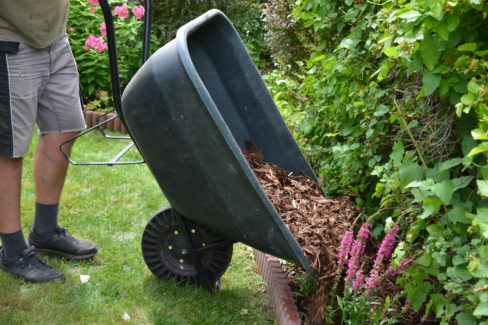
Since established garden camellias have a bit of natural grit, you usually only need to focus on the root zone. You can keep them cozy by covering the ground around the base with:
- A thick layer of mulch or fallen leaves
- Evergreen boughs or a coconut fiber mat
Protecting Potted Camellias
When it comes to potted camellias, you need a 360-degree defense strategy:
- From below: Place the pot on a thick wooden board or a piece of Styrofoam to insulate it from the freezing ground.
- The sides: Wrap the pot in a coconut fiber mat or specialized garden fleece.
- From above: Add a layer of mulch or evergreen branches on top of the soil.
Caring for the Foliage and Branches
To protect the upper part of the plant, loosely wrap your camellia in garden fleece (burlap works too!) and tie it securely. This is a must for container plants. Just remember to leave a little opening or make it easy to undo, because your camellia will still need a drink of water occasionally during the winter.
For camellias planted in the garden, I highly recommend wrapping them during those bright, freezing winter days. Believe it or not, the winter sun can actually “sunburn” or dry out the leaves when the ground is frozen. Garden fleece is the easiest way to go, but for smaller shrubs, propping up some evergreen branches to provide shade works wonders too.
One big “pro tip”: Never use bubble wrap or plastic sheeting to wrap your plants—whether they are in the ground or in pots. These materials don’t breathe, creating a trap for moisture that invites fungal diseases and rot. Stick to breathable fabrics!