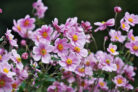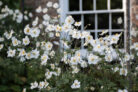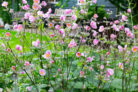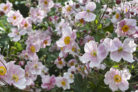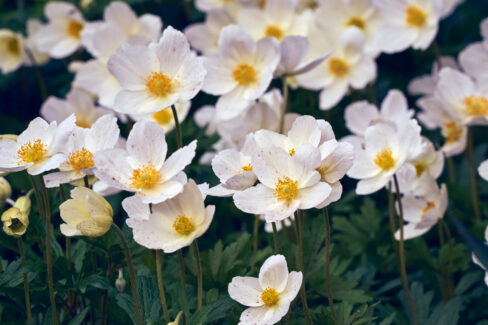
Japanese Anemones are those wonderful late-season bloomers that actually get better at handling the cold as they age. However, not every plant is naturally winter-hardy right off the bat. If you want your flowers to survive the frost, you’ll need to know the basics. Here’s the lowdown on keeping your anemones happy through the winter:
Japanese Anemones & Cold: The Older, the Tougher
When it comes to frost resistance, age really matters for Japanese Anemones. Plants that have been in the ground for several years and have developed deep, established root systems are usually total pros at handling the cold. In fact, most mature anemones can easily withstand temperatures as low as -4°F (-20°C).
Which Anemones are Sensitive to Frost?
Some plants are just a bit more vulnerable due to their age or recent “life events.” For example, freshly divided or recently transplanted anemones haven’t had time to build up their defenses yet. They need a little extra TLC to recover from the move before they can handle a deep freeze.
Additionally, young plants or seedlings that haven’t hit their third year in the ground are much more sensitive to sub-zero temps. These youngsters—along with any anemones you’re growing in containers—will definitely need some winter protection.
Winter Protection for Garden Beds
Just like most perennials, you can give your anemones a cozy “blanket” to protect them from the cold. Try layering insulating materials like garden fleece, compost, pine branches, or dry leaves over the root zone.
Pro tip: Tie the stalks together with some simple garden twine. This prevents the plant from collapsing under the weight of a heavy snowpack. Also, resist the urge to prune! Leave those spent stems alone until spring; they act as a natural barrier to keep winter moisture from rotting the crown.
Caring for Potted Anemones in Winter
If you’re growing your Japanese Anemones in pots, they need a little extra help to stay warm. Wrap the container in burlap or bubble wrap to insulate the roots. Then, move the pot onto a wooden pallet or a piece of Styrofoam to keep it off the freezing ground. It’s best to tuck the pot into a sheltered spot, like under a roof overhang or against a south-facing wall.
Finally, make sure your pots have great drainage. You don’t want water sitting around the roots during the winter, as Japanese Anemones are prone to root rot if they stay too soggy in the cold.