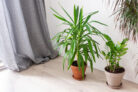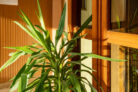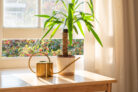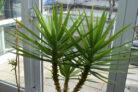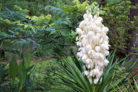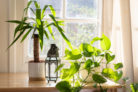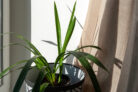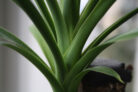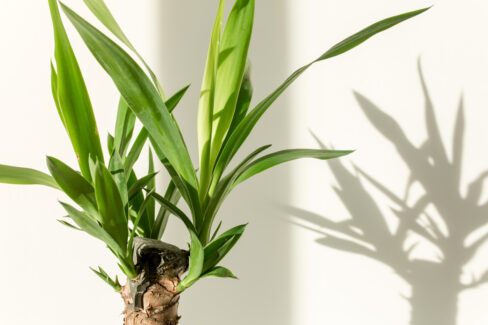
Yuccas (often called Spanish Bayonets or Adam’s Needles) are actually part of the agave family. When most people think of a Yucca, they picture the *Yucca elephantipes* (Giant Yucca), which is a classic houseplant that can’t handle a cold winter. However, there are actually several varieties that are tough enough to live in your garden year-round!
The Indoor Yucca
If you’re keeping your Yucca as a houseplant all year, you’ll want to find a spot that is:
- Bright
- Sunny
- Airy
By “airy,” I mean the plant loves fresh air from a nearby window, but it definitely doesn’t want to sit in a constant, chilly draft. Also, a quick heads-up: even though they love light, be careful with intense, direct midday sun right against a windowpane—it can actually give your plant a “sunburn.”
Summer Vacation Outdoors
Your indoor Yucca will love spending the summer months out on the balcony or patio once the temperatures are consistently warm. Ideally, you’re looking for an average of about 70°F (20°C), which usually means June through August. If it’s a particularly cold or rainy summer, though, your Yucca will be much happier staying inside.
If you do move it outside, the perfect spot is:
- Protected from heavy winds
- Bright
- Sheltered from the rain
Full sun is totally fine, but here’s the trick: you have to acclimate your Yucca slowly. Give it a little more direct light each day so the leaves don’t scorch.
Winter Care
During the winter, you can move your Yucca to a bright, slightly cooler room to let it overwinter. It’s not strictly necessary, but the plant often appreciates the rest!
Outdoor Garden Yuccas
Beyond the standard indoor varieties, there are Yuccas that are incredibly cold-hardy. A good rule of thumb is that Yuccas with a visible trunk usually aren’t winter-hardy in colder climates, while the trunkless varieties are much tougher. For example, *Yucca filamentosa* can handle temperatures as low as -18°F (-28°C)!
For a garden Yucca, look for a spot that is:
- Bright
- Warm
- Shielded from drafts
A great tip is to plant them near a stone wall or the side of your house. These spots protect the plant from biting winds and the walls actually soak up heat during the day and radiate it back at night.
Once they are used to the sun, they thrive in full-exposure areas. They look absolutely stunning in rock gardens, gravel beds, or xeriscaped landscapes!