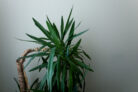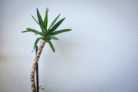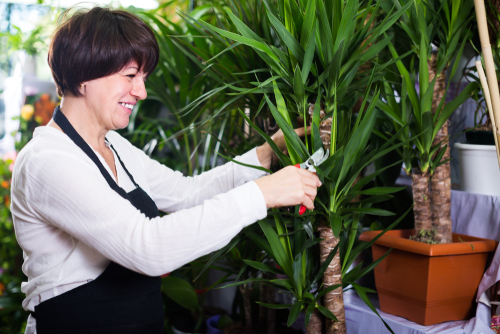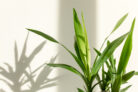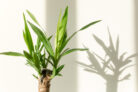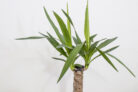
When most people hear the term “Yucca,” they immediately picture the Giant Yucca (*Yucca elephantipes*). You know the one—it’s a staple at home improvement stores and furniture shops. But here’s the catch: that specific variety is strictly an indoor plant because it just can’t handle a real winter outside.
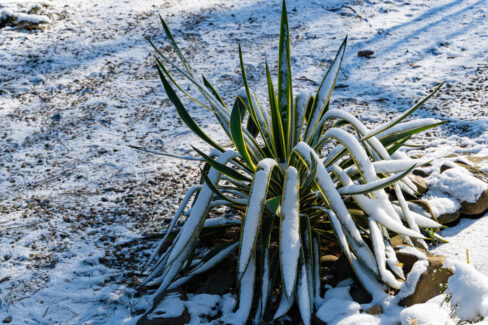
Yuccas and Frost
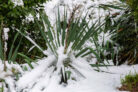
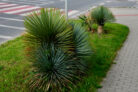
The Giant Yucca isn’t the only member of the family, though! A lot of gardeners don’t realize that there are actually several Yucca species that are surprisingly tough and can handle the cold just fine. Some great examples of frost-hardy Yuccas include:
- *Yucca gloriosa* (Moundlily Yucca)
- *Yucca baccata* (Banana Yucca)
- *Yucca rostrata* (Beaked Yucca)
Since these varieties can withstand temperatures dropping down to -4°F (-20°C) or even lower, it’s safe to say that Yuccas and frost can actually get along quite well.
Semi-Hardy Yuccas
Things get a little tricky with “semi-hardy” varieties. These guys can handle a bit of a chill, but they’ll struggle if the thermometer dips too low. Keep an eye on these:
- *Yucca aloifolia* (Spanish Bayonet): Hardy down to about 10°F (-12°C)
- *Yucca schidigera* (Mojave Yucca): Hardy down to about 14°F (-10°C)
Potted Plants Need Extra Love
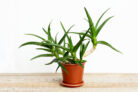
Here’s a pro tip: even the hardiest Yucca loses some of its “superpowers” when it’s grown in a container. Because the frost can penetrate the walls of the pot and attack the roots directly, potted Yuccas always need extra winter protection if you’re leaving them outside.
Did My Yucca Freeze?
If your Yucca is looking a bit rough after a cold snap, it usually comes down to two things:
- Not enough winter protection
- Choosing the wrong variety for your local climate
How to Spot Frost Damage
If your Yucca has been hit by the cold, the leaves will usually start telling the story. Look for:
- Pale or bleached patches
- Blackened areas
- Brown discoloration
- Tiny white spots
If the leaves are drooping or limp, it might mean the roots are frozen and can no longer “feed” the rest of the plant.
For Yuccas planted in the ground, there’s also something called “frost drought.” This happens when the ground is so frozen that the roots can’t pull up any water. Essentially, the plant dies of thirst in the middle of winter. The first sign of this is usually those sad, sagging leaves.
Can You Save It?
Whether or not you can rescue your Yucca depends on how deep the damage goes. Your first move should be moving it to a brighter, warmer spot. If it’s just the leaves that look bad:
- Be patient and wait until spring.
- Cut back on water for now and definitely skip the fertilizer.
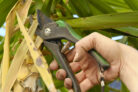
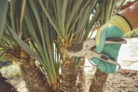
If you see new growth starting in the spring, you can trim off the dead brown leaves and give it a light dose of fertilizer to help it bounce back.
However, if the roots are the problem, repotting the plant into fresh, dry soil might be your last best chance to save it.