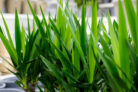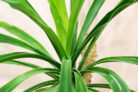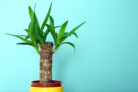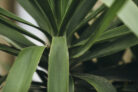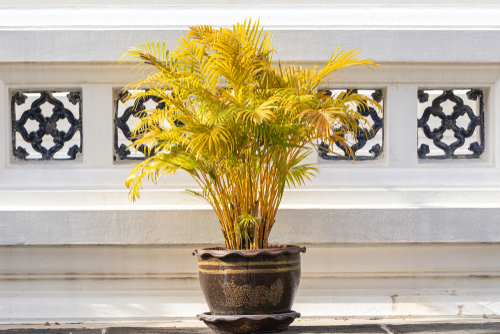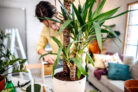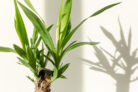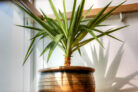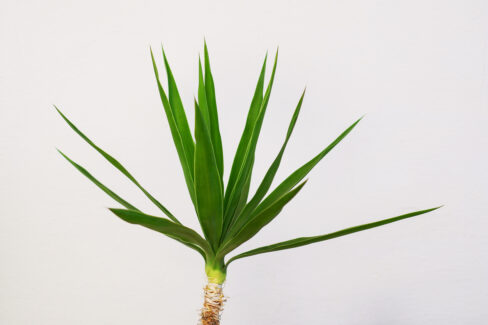
The Yucca, also known as the Adam’s Needle or Spanish Bayonet, is a pretty tough plant as long as it’s getting the right TLC. However, even the hardiest plants can occasionally deal with uninvited guests. If you notice pests moving in, you’ll want to act fast to keep your Yucca healthy and happy.
Common Pests
The most frequent troublemakers you’ll find on a Yucca include:
- Aphids and Scale insects
- Spider mites
- Gall mites
The “Louse” Family (Sucking Insects)
There are a few different types of tiny sucking insects that love to snack on Yuccas:
- Aphids
- Scale insects
- Mealybugs
Since these pests are only a few millimeters long, they’re often hard to spot with the naked eye. However, they usually leave behind some pretty obvious clues.
Aphids and Scale
- Sticky residue (Honeydew): This is the waste left behind by aphids and scale. It’s sugary and sweet, which acts like a magnet for ants and other flying insects looking for a snack.
- Sooty Mold: This is a fungus that grows on the honeydew. It looks like a grayish-black coating on the leaves. If you see this, you’ll need to prune away the affected leaves.
While individual aphids are tiny, they tend to hang out in colonies that you can actually see. Scale insects, on the other hand, often look like small brown bumps, spots, or raised scales on the plant’s surface.
Mealybugs
Mealybugs are easy to identify because they surround themselves with a white, cottony fluff. This “wool” protects their pinkish eggs and larvae.
How to get rid of them
- Give it a shower: A firm spray of water can often knock aphids right off.
- Scrub and wash: For mealybugs and scale, try brushing them off gently and then washing the plant with soapy water.
- Tea tree oil: A mixture of tea tree oil and water makes a great natural spray.
- Bring in the “good guys”: If your Yucca is outside on a balcony or patio, natural predators like ladybugs will often take care of an aphid problem for you.
Spider Mites
Spider mites are famous for the fine, white webbing they leave behind. The tricky part? You usually don’t see the webs until the infestation is already pretty far along. Keep an eye out for:
- Tiny yellowish spots (stippling)
- A silvery sheen or discoloration on the leaves
Since spider mites are less than a millimeter long, you’ll likely see the leaf damage before you ever see the mites themselves.
How to get rid of spider mites
- Prune away any heavily infested leaves.
- Give the Yucca a good wash.
- Mist the plant regularly (they hate humidity!).
- Biological control: You can buy predatory mites or lacewing larvae to hunt them down.
Gall Mites
Gall mites are microscopic (only about 0.3 mm long), so they usually look like a yellowish-white coating on the leaves. This often gets confused with powdery mildew, which is a fungus. Here’s a quick pro-tip: if you can wipe the coating off easily with your finger, it’s likely mildew. If not, you’re probably dealing with mites.
How to get rid of gall mites
Luckily, gall mites don’t usually cause “galls” (ugly growths or swellings) on Yuccas like they do on other plants, which makes them easier to manage. Simply spraying the plant with a mixture of water and a little dish soap—or wiping the leaves down with it for a few days in a row—usually does the trick.