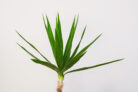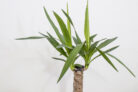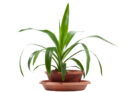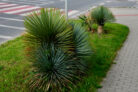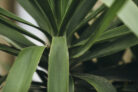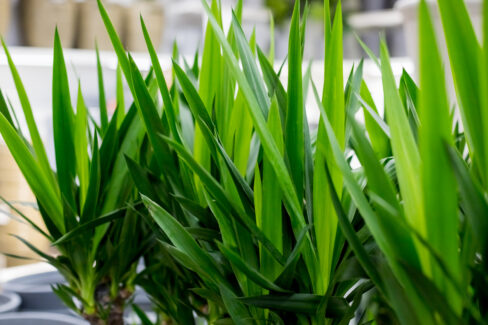
Yucca plants (also known as Spanish Bayonets or Adam’s Needles) are actually pretty tough cookies—as long as they’re getting the right TLC. But if your green friend gets a bit stressed or weakened, fungi and rot can move in pretty fast. To keep your Yucca happy, you’ll want to keep a close eye out for any red flags.
Diseases
Generally speaking, the issues you’ll run into with a Yucca fall into two main categories:
- Fungal infections
- Rot
Fungal Infections
Because fungi tend to spread across a Yucca like wildfire, you really don’t want to wait around once you spot a problem. They can also jump to your other houseplants, so the very first thing you should do is “quarantine” the affected plant in another room.
#What to Look For
You can usually spot a fungal issue by looking for weird spots or coatings on the leaves:
- Gray discoloration: You’ll see gray tips or edges first, which eventually spread across the whole leaf.
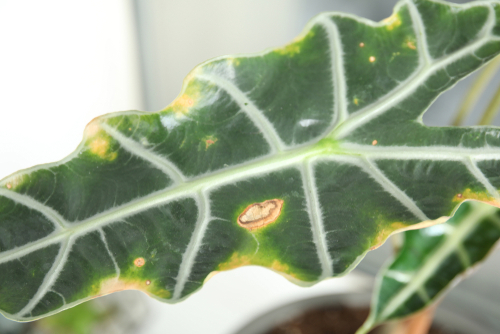
- Rust-colored spots: These start as small dots but can grow into brown patches up to two inches wide.
- Yellow and brown spots: Look for individual spots with a distinct black border that eventually take over the leaf.
- White/yellowish powdery coating: If it looks like flour and wipes off easily, you’re likely dealing with Powdery Mildew.
- Grayish-black coating: This is Sooty Mold, which usually shows up as a byproduct of a pest infestation (like aphids).
How to Fight Back
If you catch the infection early and it’s only on a small part of the plant, you can try some DIY home remedies:
- Powdery Mildew: Try a mixture of water and fresh whole milk (the proteins help kill the fungus!).
- Sooty Mold: Focus on getting rid of the aphids or scale insects first; once their “honeydew” is gone, the mold loses its food source.
- Other Fungi: Natural sprays made from horsetail herb or stinging nettle tea can help boost the plant’s defenses.
To stop the spread, be sure to prune away any infected leaves and toss them in the trash (don’t compost them, or the spores might survive!).
If the infection is really bad, you might need to use a store-bought fungicide or give the plant a “radical” haircut.
Rot
While fungal spores can show up out of nowhere, rot is almost always caused by a little too much “smothering” (aka care mistakes).
Standing Water (Root Rot)
Root rot happens when excess water sits at the bottom of the pot with nowhere to go. If the soil is constantly soggy, the roots literally start to drown and decay. The weirdest part? The plant will look like it’s dying of thirst even though the soil is wet.
Your only real shot at saving a Yucca from root rot is to act fast. Pull the plant out of the pot and check the roots. Trim away anything mushy or smelly, then repot the healthy remains in fresh, dry soil. To let it recover, hold off on watering for a little while.
Soft Trunk
If the trunk feels soft or squishy, it’s unfortunately rotting from the inside out. At this stage, the main plant usually can’t be saved. However, all is not lost! If the top part of the plant is still firm and green, you can cut it off and use it as a cutting to grow a brand-new, healthy Yucca.