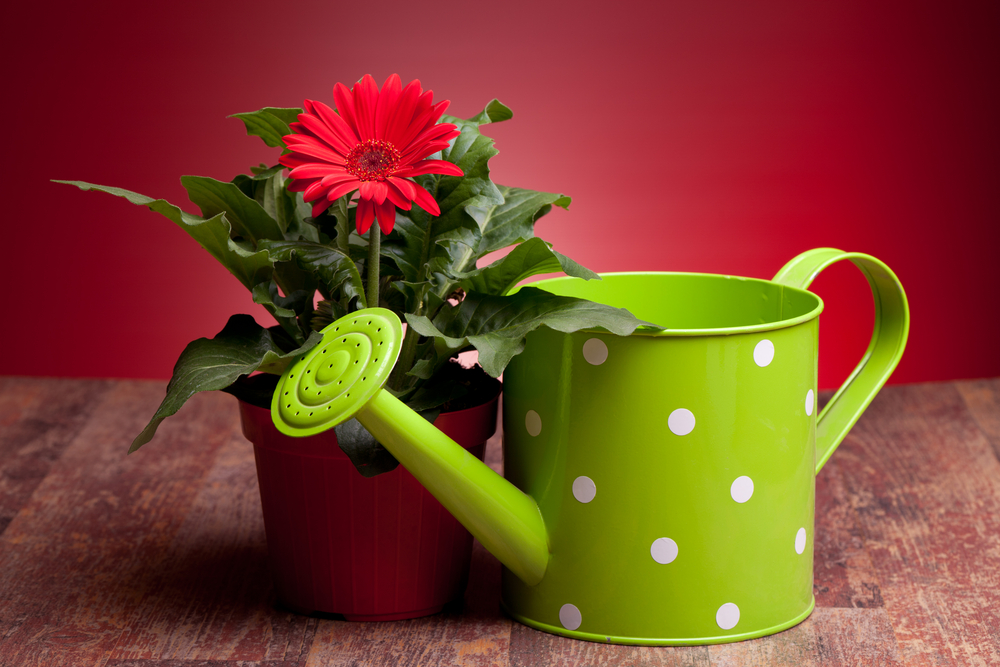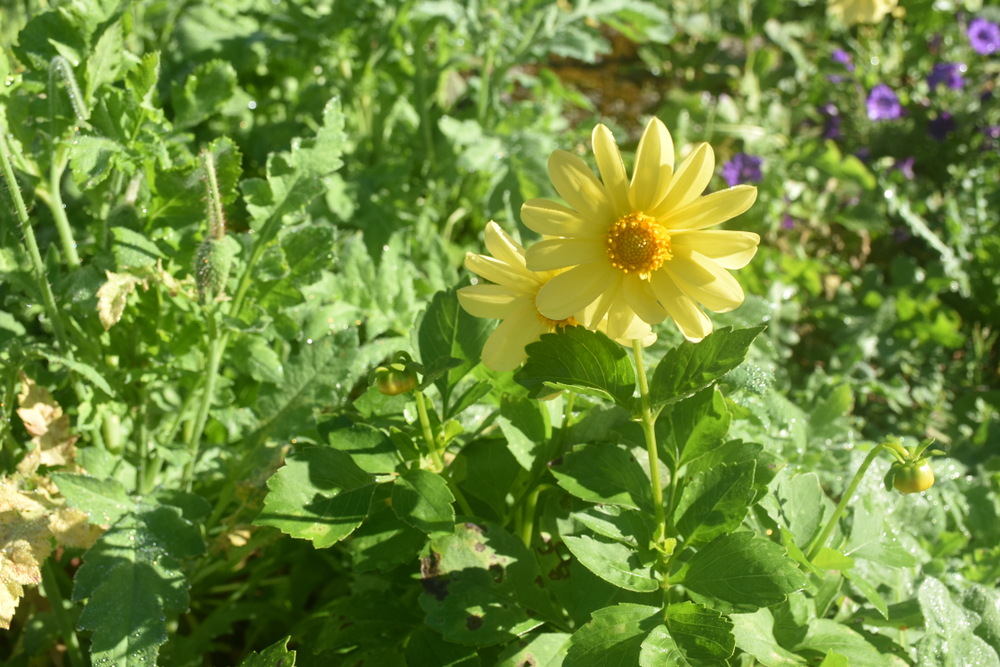
Gerbera daisies are easily some of the most popular cut flowers in the world—and honestly, they’ve totally earned that top spot! They come in just about every vibrant shade you can imagine, and they have a way of brightening up any space they’re in.
Size, Shape, and Colors
Gerberas feature what we call “flower heads,” which might look familiar if you’ve ever looked closely at a dandelion. But while our common backyard dandelions stay small and strictly yellow, the Gerbera (which hails from South Africa and is sometimes called the “African Daisy”) is way more versatile.
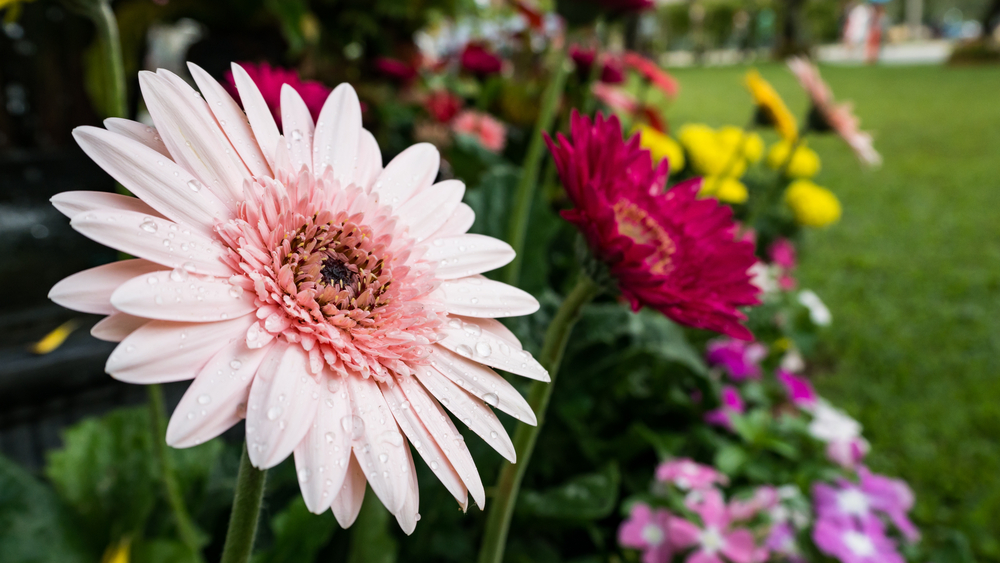
- Blooms usually measure between 2 to 3 inches in diameter.
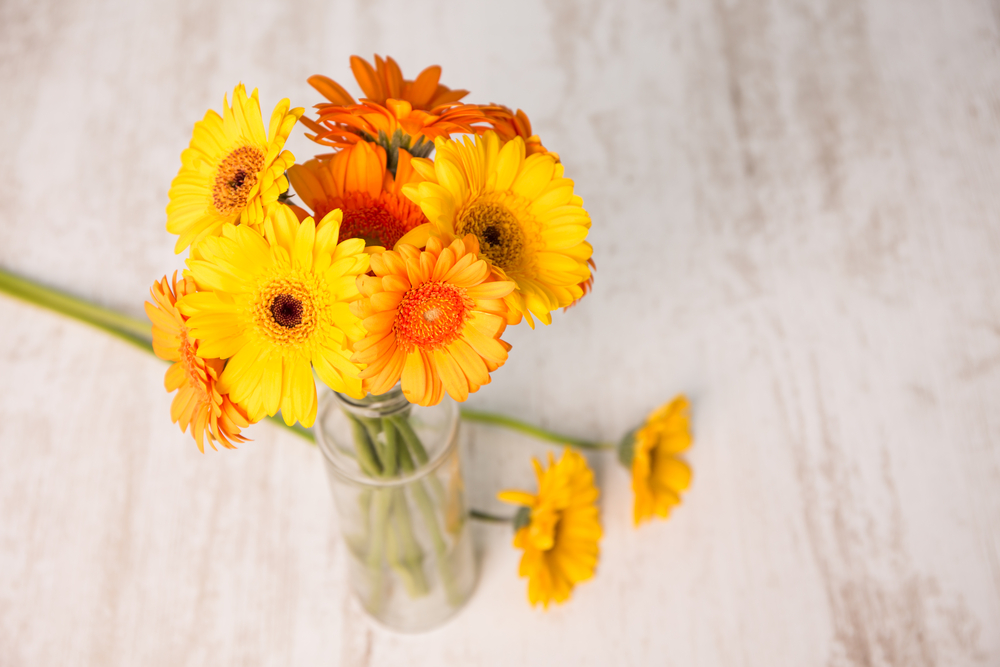
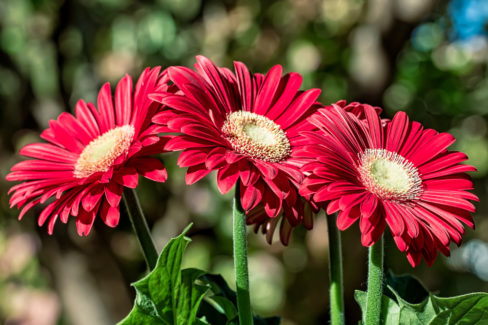
- Classic colors include white, pink, yellow, orange, and red.
- You’ll also find countless shades and gradients in between.
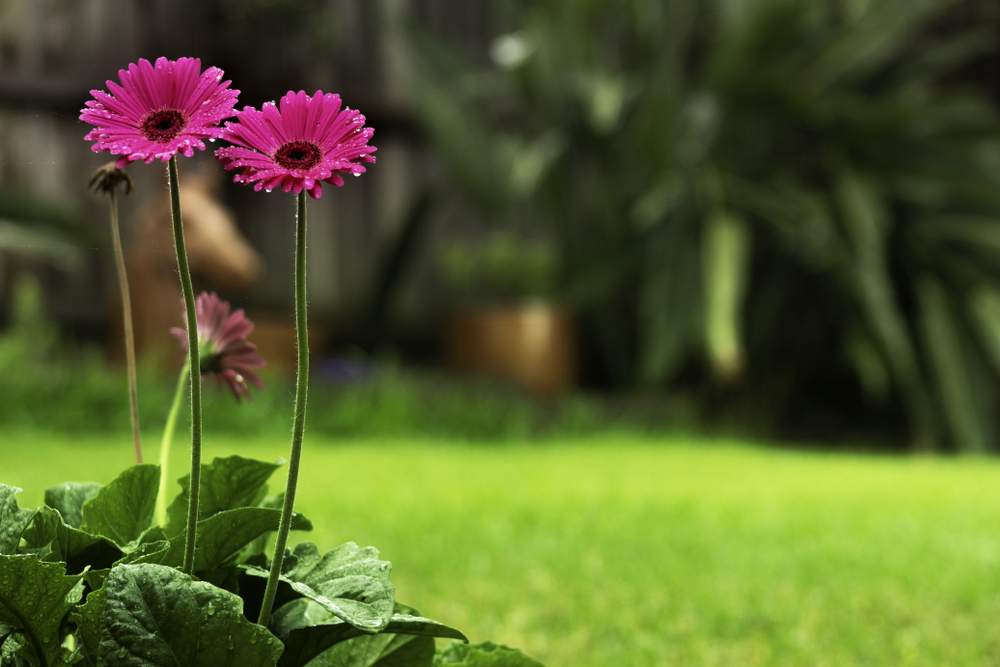
- Each plant can send up several flower stalks.
- However, you’ll only get one single bloom per stalk.
Blooming Season: May through September
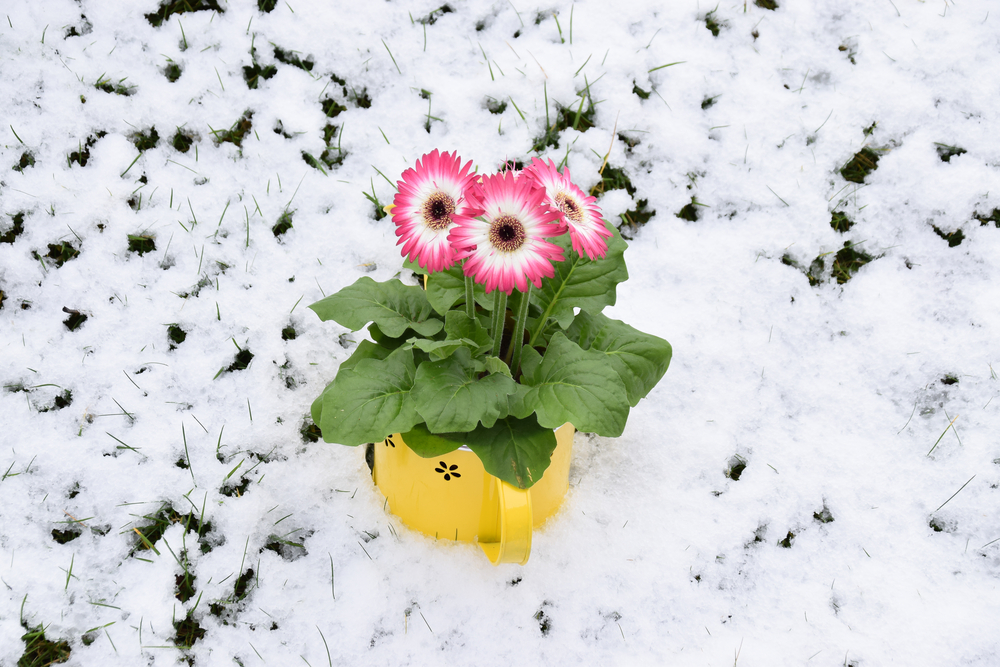
To really show off, Gerberas need plenty of light and warmth. Since they are not frost-hardy, they’ll only bloom outdoors in the garden or on the balcony from May to September. Even so, that blooming window makes them one of the most persistent performers in the garden. Plus, under the right conditions, an individual flower can actually last for several weeks!
If you’re keeping a Gerbera as a houseplant, it’ll enjoy the indoor warmth, but even a sunny windowsill usually won’t provide enough light during the winter months. Our winter days are just a bit too gloomy for them. You could set up a grow light, but it’s actually better to let your Gerbera take a “nap” for a few weeks in a cooler spot (around 55-60°F).
Deadheading and Collecting Seeds
When a flower is past its prime, it’ll start to droop and eventually wither. You’ll want to remove these spent blooms right away so the plant can save its energy for new flowers. If you’re interested in harvesting seeds, you can leave a few flowers on the plant. Just a heads-up, though: most indoor varieties are F1 hybrids, which means their seeds usually won’t sprout.
Pro Tip:
To keep those blooms coming all season long, make sure your Gerbera is in a sunny spot, water it regularly (don’t let it bone dry, but don’t drown it either!), and give it some fertilizer at least every two weeks.
Cutting Flowers for Vases or Drying
Because of their clean, classic shape, Gerberas look great in almost any bouquet. If you cut them fresh, they can last up to two weeks in a vase. And if you dry the flowers properly, you can keep that pop of color around forever!