While Japanese Maples love staying hydrated, “wet feet” (or waterlogging) can quickly become a nightmare for these beautiful trees. It’s super important to spot the warning signs early and, better yet, prevent soggy soil from happening in the first place.
Why is waterlogging such a big deal for Japanese Maples?
When the roots of a Japanese Maple are constantly sitting in muck, they start to rot. Unlike some other trees, these maples are shallow-rooted. Their wide root system sits just below the surface to soak up moisture. If excess water can’t drain away, those roots get oversaturated and eventually decay. Once that happens, the tree’s “plumbing” system breaks down, and it can’t transport nutrients from the ground up to the leaves.
How can I tell if my Japanese Maple is waterlogged?
The most obvious signs are standing water or a funky, swampy smell coming from the dirt. Take a close look at the soil around your tree. A great trick is to pick up a bit of dirt and rub it between your fingers—you’ll feel right away if it’s just damp or totally waterlogged. Keep an eye out if your tree is in a shady spot with heavy, compacted soil, as water tends to pool there much faster.
How do I fix a waterlogging problem?
You’ll need to let the area dry out or move the tree to a better spot. If your Japanese Maple is under five years old, it’s actually pretty easy to transplant. If the soil has been soggy for a while or you suspect root rot, moving it is your best bet. Here’s how to do it:
- Pick a new, well-draining location.
- Dig the new hole and add a drainage layer at the bottom.
- Carefully dig up your maple, keeping the root ball intact.
- Snip off any mushy, rotted roots with clean shears.
- Let the roots air dry for a few hours.
- Replant it in its new home.
- Add a layer of mulch on top.
How do I prevent waterlogging in the first place?
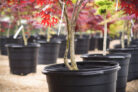
The secret is a good drainage layer and a layer of mulch. When planting, put down some gravel, broken pottery, or expanded clay pebbles at the bottom of the hole to help water flow away from the roots. This is especially critical if you’re growing your maple in a container—never skip that drainage layer! Mulching helps regulate moisture so you don’t feel the need to overwater. Also, choosing a spot with dappled shade (avoiding that harsh midday sun) helps keep the soil balance just right.
Pro Tip: The Finger Test!
If your Japanese Maple is in a pot, the surface of the soil can look bone-dry while the bottom is soaking wet. Use the “finger test” regularly to check the moisture levels deeper down. It’s easy to underestimate how much water collects at the bottom of a planter! Other than watching out for soggy soil, caring for a Japanese Maple is actually pretty straightforward.