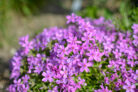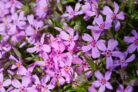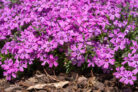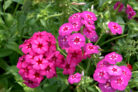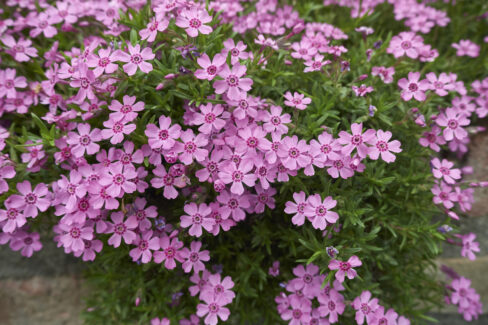
To get those tiny, vibrant blooms to really pop, creeping phlox (also known as moss phlox) actually requires very little fuss. Honestly, the biggest “secret” to keeping this low-maintenance groundcover happy is simply picking the right spot in your garden from day one.
Sunlight is the Secret Sauce
If you want that lush carpet of color, you’ve got to give your creeping phlox plenty of sun. Ideally, you’ll want to get them in the ground during the spring (though if you miss that window, you can plant anytime between spring and fall in a pinch). Along with a bright spot, these plants love a bit of airflow. A breezy location helps their delicate foliage dry out quickly after a rain shower, which keeps the plant healthy.
Here’s the golden rule: The more sun they get, the more flowers you’ll see and the sweeter the fragrance will be.
Now, they *can* survive in partial shade, but keep in mind that during blooming season, a shady spot usually means a much thinner blanket of flowers. That said, plant breeders are pretty amazing these days, and you can find specific phlox varieties that are bred to handle partial shade quite well if your yard isn’t full-sun.
Creative Ways to Use Your Groundcover
Because creeping phlox loves to spread out horizontally, it’s a fantastic tool for adding a decorative touch to those tricky spots in your landscape. Their “cascading” habit makes them perfect for softening the edges of a patio or spilling over the side of a balcony container.
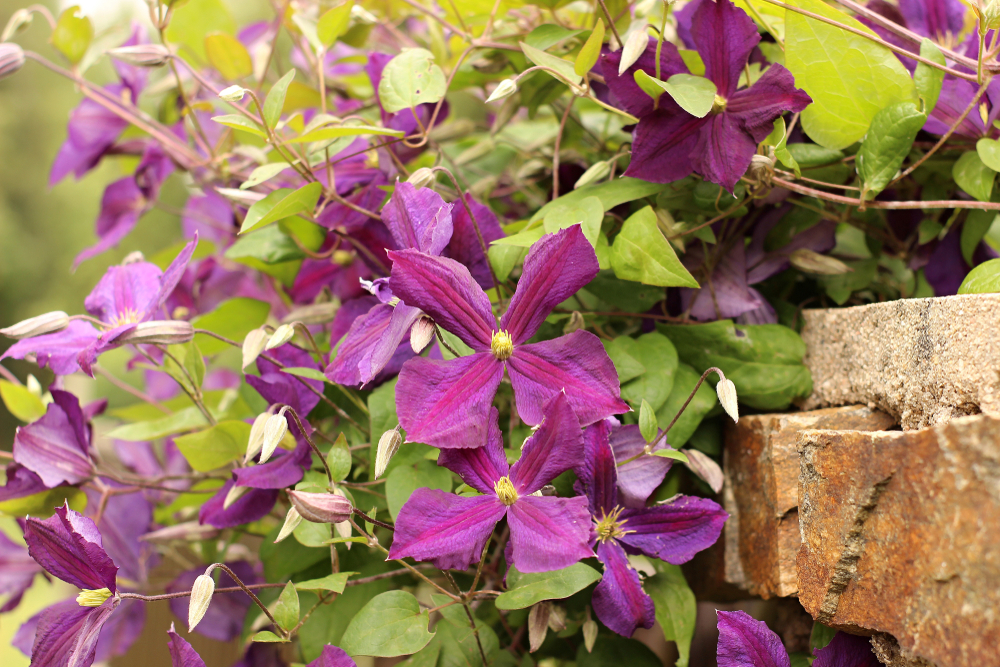
You can also plant them as a charming border for stepping stones or wooden garden paths. They look just as at home lining a walkway as they do tucked into a rock garden for a pop of delicate color. Another pro tip? Try planting them along the top of a natural stone wall—they look stunning draped over the masonry.
The Perfect Soil for Creeping Phlox
While sunshine is huge, the soil is the other half of the equation for a thriving plant. To keep your phlox vigorous and well-branched, you want soil that is loose, mineral-rich, and—most importantly—well-draining.
Believe it or not, soil that is *too* rich in nutrients can actually backfire, leading to over-fertilization and wilting leaves. Because of this, you usually don’t need to worry about fertilizing them at all. However, if you’re planting in standard garden soil, it’s a smart move to mix in some fine gravel or sand. This helps prevent “wet feet” (standing water), which is the one thing this hardy groundcover really dislikes.