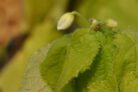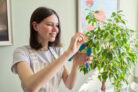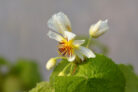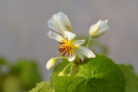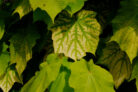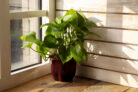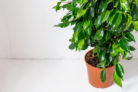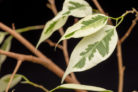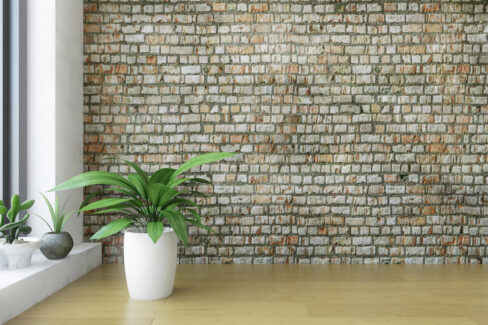
The African Hemp (Sparmannia africana) is such a unique addition to any indoor jungle. Not only is it a real looker, but it’s also surprisingly easygoing. However, if this plant isn’t getting what it needs, it’ll let you know by dropping its leaves. If your plant is looking a little bare, here’s how to get it back on track.
Why Is My African Hemp Dropping Leaves?
If you notice leaves hitting the floor, there are a few usual suspects. It could be a watering issue—either too much or too little—or even using water that’s too cold. Drafts and harsh, direct sunlight are also common culprits, as is a simple lack of nutrients.
The “best-case” scenario is that your plant is just dealing with a little moving day stress. These plants can be a bit dramatic when they change locations. It’s very common for a newly purchased plant to drop leaves while it acclimates to its new spot in your home. Depending on how different its previous environment was, that transition can be a bit of a challenge.
How to Save Your Plant
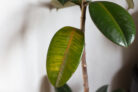
When it comes to leaf drop, acting fast is key. Keep a close eye on your plant and check regularly for yellow or brown discoloration. If you catch these signs early, you can often fix the problem before the leaves actually fall off. Check the soil: is it bone dry? Does the plant need a nutritional boost? If so, give it a good drink and some fertilizer right away.
On the flip side, if the soil is soaking wet, you’ll want to repot it with fresh, dry substrate immediately. While you’re at it, trim away any mushy, rotted roots. Moving forward, be careful not to overwater—standing water is a big no-no. If you suspect the location is the issue, try moving it. While African Hemp loves a bright, warm spot, it really can’t handle intense, direct midday sun.
Leaf Drop Checklist: What You Need to Know
- There are usually several factors at play.
- Watch out for drafts, harsh sunlight, and nutrient deficiencies.
- Check your watering habits (avoid ice-cold water!).
- It might just be adjusting to a new spot in your house.
- Regularly inspect leaves for any color changes.
- Fertilize and water as needed.
- Consider moving the plant if the light isn’t right.
- Other health issues are often linked to common pests.