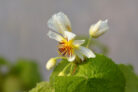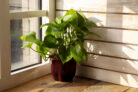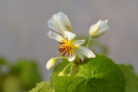
The African Linden (also known as Sparrmannia africana) is famous for being a low-maintenance houseplant. Even if you’re a total beginner, you’ll likely find this easy-going green companion a breeze to care for. However, those pesky yellow leaves can pop up from time to time, and they definitely ruin the vibe. Here’s the lowdown on why it happens and how you can fix it.
Why are the leaves turning yellow?
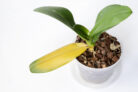
Most of the time, yellow leaves aren’t a sign of a “death sentence” for your plant. Usually, it’s just a little protest against its current living conditions. Still, you’ll want to act fast so the problem doesn’t spread. Think of yellow leaves as a “check engine” light. Often, it means your African Linden is thirsty or hungry. If the soil is bone dry or it hasn’t been fed in a while, a good watering session and some fertilizer should do the trick.
Low humidity can also make your plant feel a bit under the weather. If your home is dry, try using a humidifier or giving the leaves a regular misting with a spray bottle. This simple trick doesn’t just keep the plant happy; it also helps ward off pests and other diseases.
Learning to “speak” plant
Plants have their own way of talking to us. Their leaves are basically a status report on their health. For example, if you see brownish spots or leaves that have turned completely brown, your plant might actually have a sunburn. Even though the African Linden is a South African native and loves a bright, warm spot, it can’t handle the intense, direct midday sun. A south-facing window without a sheer curtain is usually a no-go.
If your plant starts dropping leaves entirely, it’s time to play detective. You’ll want to jump on this quickly to save the plant. Keep an eye out for these common culprits:
- Cold drafts
- Using water that’s too cold (room temp is best!)
- Intense, direct sunlight
- Overwatering or underwatering
- Lack of nutrients
- “Moving shock” after being placed in a new spot
The Bottom Line: Yellow leaves are a heads-up
Seeing yellow leaves on your African Linden is annoying, but it’s definitely not the end of the world. Just take it as a sign to tweak your routine. By staying attentive to what your plant is trying to tell you, you can fix the issue before it gets serious. With a quick weekly check-up, your Linden should stay happy and healthy—luckily, these plants are pretty tough when it comes to pests and diseases!