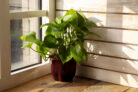
The African Linden (Sparrmannia africana) is a pretty low-maintenance roommate. For the most part, it stays clear of serious diseases, but every now and then, it might start looking a little “off.” Usually, those annoying cosmetic flaws are just your plant’s way of telling you the environment isn’t quite right. If your Linden is acting up, here’s how to read the signs and fix it.
Let the Leaves Lead the Way
Most of us plant parents immediately panic about bugs the second we see a spot. But with the African Linden, it’s often just a case of “user error” in the care department. Luckily, your plant is a great communicator—it shows its stress through discolored or dropping leaves. If you notice leaves hitting the floor, you’re likely looking at root rot from overwatering, a thirsty plant, a chilly draft, or even using water that’s too cold straight from the tap.
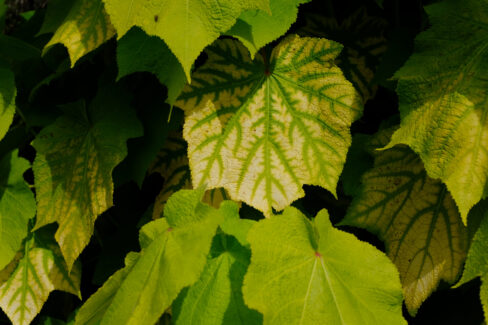
Yellow leaves are usually a cry for help regarding nutrients. Ask yourself: Have I been keeping up with my watering and fertilizing schedule? If the answer is “oops,” get back on track! With a steady supply of food and water, your plant should bounce back to its former glory in no time. On the flip side, if you see brown spots or leaves turning completely crispy, your Linden probably has a sunburn. While these plants love light, they can’t handle harsh, direct rays—so make sure to provide a little shade during the hottest part of the day.
What About Pests?
Pest problems are pretty rare for the African Linden, but there are a few scenarios where you should keep your eyes peeled. Uninvited guests usually show up in the summer if you’ve moved your plant out to the balcony or garden. Scale insects, aphids, and other critters can definitely be a headache then. However, don’t let your guard down in the winter! Picking the wrong spot for overwintering can also lead to an aphid infestation. To keep them away, make sure your winter spot is cool but bright.
African Linden Health: The Quick Cheat Sheet
- These plants are generally very hardy and rarely get “sick” in the traditional sense.
- The leaves are your best clue that something is wrong.
- Dropping leaves? Check for soggy soil, drought, drafts, or cold water.
- Yellow leaves? Your plant is likely hungry or thirsty.
- Brown leaves? Move it out of the direct sun—it’s getting scorched.
- Pests aren’t common, but keep a close watch during the summer outdoors or if the winter air is too warm and stagnant.
MS