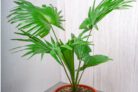
The African Hemp (or Room Linden) is famous for being low-maintenance, making it a total favorite for beginner plant parents. However, once the temperature drops, this green beauty gets a little more particular about its surroundings. Here’s the lowdown on how to keep your plant happy and healthy all through the winter.
The African Hemp in Winter
While the African Hemp is generally easy-going, it has two big pet peeves: harsh direct sun and dry air from your heater. That said, it still craves plenty of light. The perfect winter home for this plant is a spot that’s both cool and bright. If it spends the winter somewhere too dark or too toasty, you might find yourself dealing with a pesky aphid infestation.
A cool basement can actually be a great wintering spot, provided it has windows. Temperatures between 40°F and 50°F (5 to 10°C) are the sweet spot. Just keep an eye on the light levels—if it gets too dark, your plant might start dropping its leaves in protest. During these chilly months, you can cut way back on watering and stop fertilizing altogether. Just be sure to taper off the water gradually rather than stopping all at once.
Finding the Right Spot
Choosing a spot for the rest of the year is a bit more flexible. Your African Hemp will thrive in a bright, airy, and cool location—ideally between 60°F and 65°F. Avoid direct sunlight; an east or west-facing window is usually your best bet. The intense midday heat of a south-facing window is just too much for its delicate leaves. It also loves a bit of humidity! In the summer, feel free to move it outside, but keep a close eye on it, as it can be more prone to pests or diseases when it’s outdoors.
Winter Care Checklist
- Winter location: Bright and cool.
- Watch out: The wrong winter spot can lead to aphids.
- Ideal spot: A cool, bright basement works perfectly.
- Temperature: Aim for 40°F to 50°F.
- Watering/Feeding: Water sparingly and skip the fertilizer until spring.
- General care: The rest of the year, this plant is super easy to please.
- Troubleshooting: Brown leaves are usually a sign that your plant isn’t happy with its current location.