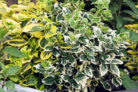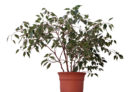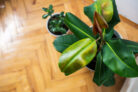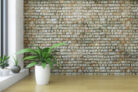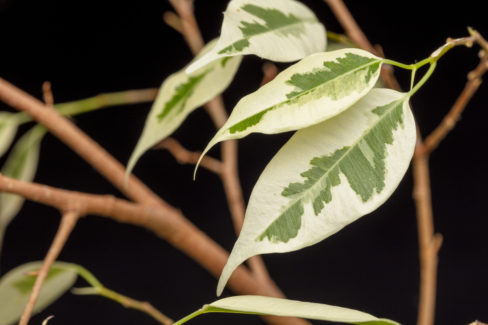
It can be a real heartbreaker when your Ficus Benjamini (commonly known as the Weeping Fig) starts dropping its leaves all over the floor. If your plant is looking a little bare, don’t panic! There are a few common reasons why this happens, and most of them are pretty easy to fix. Here’s a breakdown of what might be bothering your Ficus and how you can get it back to its lush, green self.
Possible Causes for Leaf Drop
Just like discolored or yellowing leaves, leaf drop is usually your plant’s way of telling you it’s stressed. Most of the time, it comes down to a few simple “oopsies” in its care routine. The most frequent culprits are:
- Moving the plant too often or too abruptly
- Overwatering (wet feet)
- Letting the root ball dry out completely
- Not enough light
- Cold drafts or low temperatures
Moving the Plant Around
Ficus Benjamini loves a bright, warm spot where it can settle in for the long haul. These plants are total homebodies—they hate being moved! If you suddenly move your Ficus to a new room or even just rotate it too often, it might get “cranky” and drop its leaves in protest.
While you sometimes have to move a plant (like when you’re moving house), try to pick a great spot and leave it there. Avoiding unnecessary stress is key to keeping those leaves attached.
Too Much Water (Soggy Soil)
Even though the Weeping Fig is native to tropical areas with high humidity, it absolutely hates sitting in stagnant water. “Wet feet” can lead to root rot, which causes the leaves to fall off. If you’ve accidentally overwatered your plant, the best move is to repot it into fresh, dry soil immediately. Give it a break from the watering can for a few days or even weeks to let the roots breathe and recover.
Bone-Dry Soil
On the flip side, being too stingy with the water can also cause problems. If the root ball dries out completely, the plant can’t send enough moisture up to the leaves, and they’ll start to drop. If your soil is rock-hard and dry, give your Ficus a “soaking bath.” Submerge the root ball in a tub of lukewarm, filtered water until the air bubbles stop rising to the surface. This ensures the core of the plant is fully hydrated again.
Not Enough Light
Ficus Benjamini is a sun-lover. If it’s stuck in a dark corner for too long, its growth will stall, and it will start shedding leaves because it can’t support them. This is especially common during the dark winter months. To keep your plant happy year-round, you might want to set up a grow light. It’s an easy way to make sure your leafy friend gets the “sunshine” it craves even when it’s gloomy outside.
Cold Temps and Drafts
Cold air and frost are big no-nos for this tropical beauty. Ideally, your Ficus wants to be in a room that stays above 68°F (20°C). Once the temperature dips below 60°F (16°C), the plant starts to feel the chill. Be extra careful about cold drafts from windows or doors. If you have your Ficus outside on a patio, protect it from the cold ground by placing the pot on a wooden board or a piece of styrofoam to keep the roots insulated.