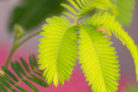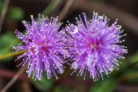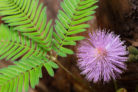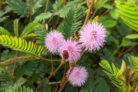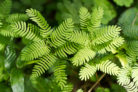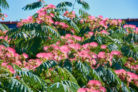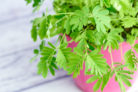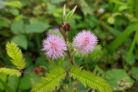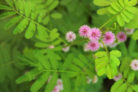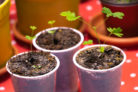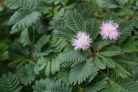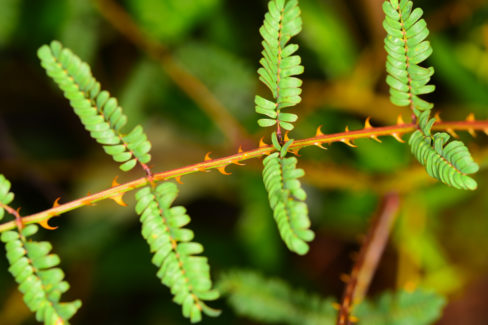
Mimosa plants are naturally decked out with a variety of lush green leaves in different sizes and shapes. These leaves aren’t just pretty, though—they actually act like a built-in health monitor for your plant, signaling if there’s a problem with its care or if a disease is moving in. If you notice the leaves turning yellow or dropping off, it’s time to play detective and figure out what’s going wrong.
Common Reasons for Leaf Drop
If your Mimosa starts dropping leaves—whether they turn yellow first or just fall off green—it’s usually a sign that something is off with its environment or your care routine. The most common culprits for leaf loss are:
- Lighting that’s either too dim or too intense
- Temperatures that are too chilly or way too hot
- Watering issues (either a drought or a flood)
- Touching those sensitive leaves a little too often
Finding the Right Spot
The perfect location for a tropical Mimosa is a bright spot that stays out of direct, punishing sunlight. You definitely want to avoid that scorching midday heat to prevent the leaves from getting a nasty sunburn. If you’re keeping it as a houseplant, try to avoid placing it right in a south-facing window where the sun is strongest.
Getting the Watering Just Right
The most common mistake people make with Mimosa care is watering. These plants are a bit like Goldilocks—they don’t want to dry out completely, but they hate sitting in soggy soil. To keep them happy, make sure you have great drainage. I recommend adding a layer of expanded clay pebbles, gravel, or broken terracotta pieces at the bottom of the pot so excess water can flow away easily.
Because they’re tropical natives, Mimosas love high humidity. You’re aiming for at least 50%, though 60% is even better. During the winter when indoor air gets dry, try placing bowls of water around the plant to boost the humidity through evaporation. Just a heads-up: avoid spraying the plant directly, as they don’t really like wet leaves.
The “Hands-Off” Rule
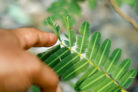
Mimosa leaves have a pretty cool superpower: they react to touch or vibrations by folding up one by one. They’ll stay closed for about half an hour before slowly opening back up. It’s a natural defense mechanism, but here’s the catch: it takes a ton of energy for the plant to do this.
Some Mimosa species take a long time to recover from that energy drain. While it’s tempting to show off the “sensitive plant” trick to friends, try to avoid touching the leaves too much. Constantly triggering that folding reaction puts a lot of stress on the plant, which can eventually lead to leaf drop.