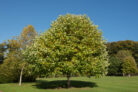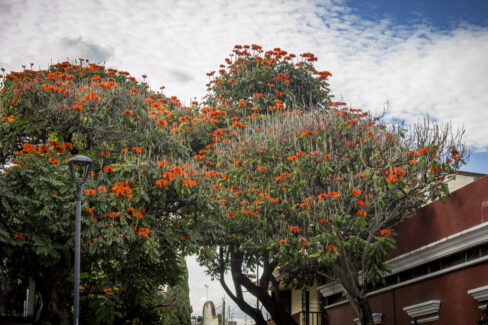
The African Tulip Tree is a stunning ornamental plant that originally hails from the African Atlantic coast. Since its discovery, this beauty has spread far and wide, even becoming a common sight across South America. For those of us in cooler climates, it’s a favorite for conservatories and sunrooms where it can really show off.
Growing from Seed
Since this ornamental tree is not frost-hardy, you’ll need to keep it indoors. You can easily find seeds at specialty garden shops or online. The good news? They germinate quite well, so the process is pretty straightforward. Here’s how to get started:
- Fill your seed trays with a high-quality seed-starting mix.
- Scatter the seeds thinly across the surface.
- These seeds are “dark germinators,” so make sure to cover them with a light layer of soil.
- Gently press the soil down and give them a careful watering.
- To give them that tropical boost, pop a plastic bag over the pot to create a humid, greenhouse-like environment.
- Make sure to lift the bag once a day to let in fresh air and prevent mold.
- Keep the soil consistently moist, but be careful not to let it get waterlogged.
- Keep the temperature at a steady 68°F (20°C) or higher.
- You should see sprouts popping up in about two to three weeks.
Caring for Seedlings
Once those first little green shoots appear after a few weeks, move the tray out of direct, scorching sunlight. When your seedlings hit about 4 inches (10 cm) tall—usually after about two months—it’s time to give them their own pots. Be extra gentle during this move so you don’t damage the delicate root systems. From here, you can slowly start acclimating your young plants to more sunlight.
Growing from Cuttings
If you’ve already got a plant (or a friend who does!), you can also grow an African Tulip Tree from cuttings. In the spring, snip off a few healthy, fresh shoots. Dip the ends in rooting hormone and tuck them into some starter soil. Just like with seeds, keep the soil moist but not soggy. Covering the pot with a plastic bag helps encourage root growth by mimicking a mini-greenhouse. Once you see new leaves sprouting, you’ll know it’s taken hold! Just remember to keep these youngsters protected from direct midday sun for a while.
The Perfect Summer Spot
To really thrive, the African Tulip Tree craves tropical vibes. We’re talking full sun, plenty of heat, high humidity, and a very consistent temperature. Because of these specific needs, it’s happiest in a heated conservatory or a greenhouse if you live in a temperate climate.