Veilchens (violets) are total fan favorites for gardens and balconies. It’s no surprise that folks without outdoor space often wonder: can I grow these beauties as houseplants? Let’s dive into whether that’s actually a good idea.
Can you grow true violets as houseplants?
The short answer is: not really. True violets—like Sweet Violets, Horned Violets, Wild Violets, or even Pansies—aren’t built for indoor living. These members of the *Viola* family actually need a good chill to trigger their blooming cycle. A cozy living room sitting at 70°F is way too warm for them. Plus, they absolutely hate the dry air that comes with indoor heating.
If you’re looking for that “violet” look inside, you’re much better off with Cyclamen or African Violets. Just a heads-up, though: despite their names, neither of these are actually part of the *Viola* family!
The Cyclamen (Florist’s Cyclamen)
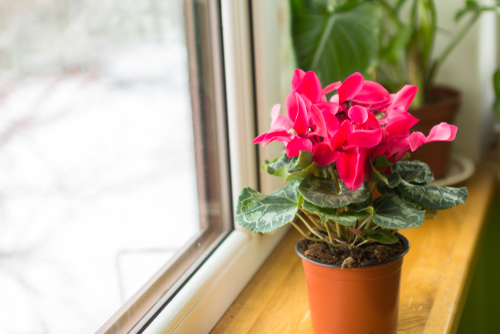
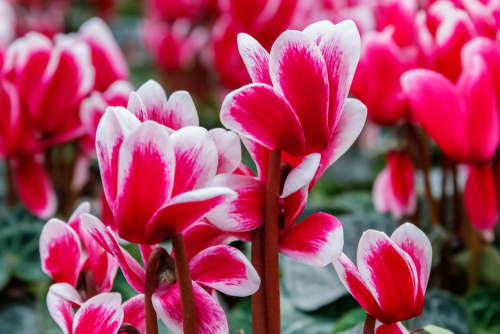
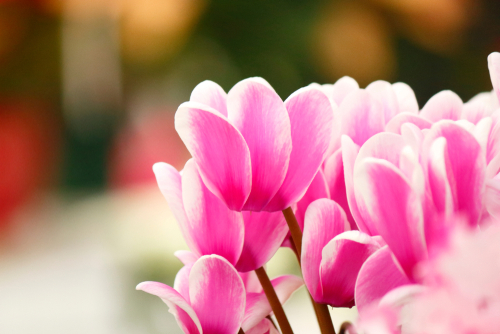
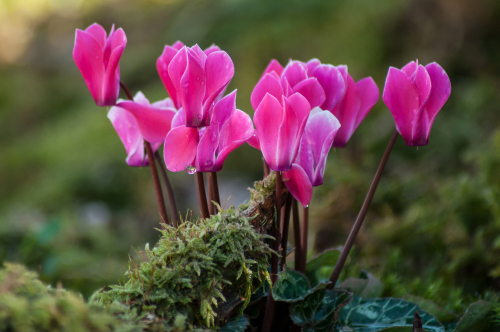
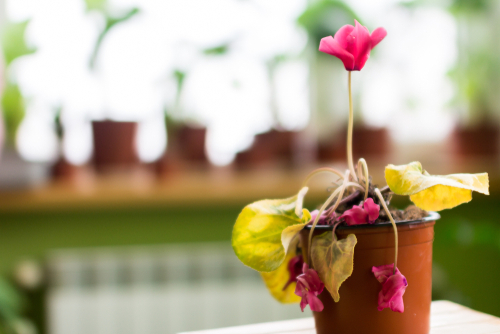
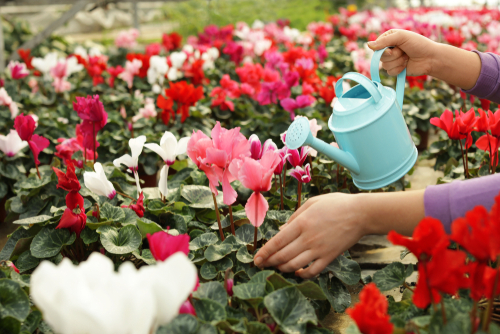
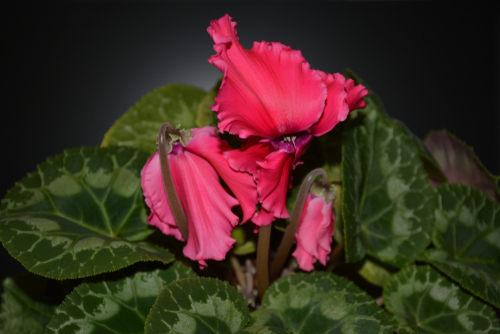
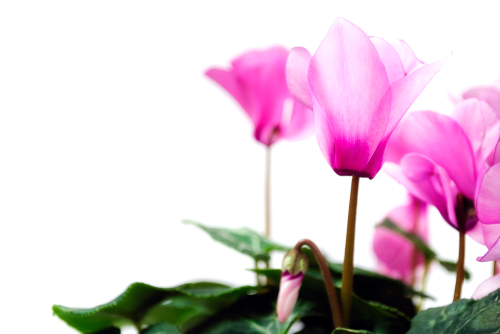
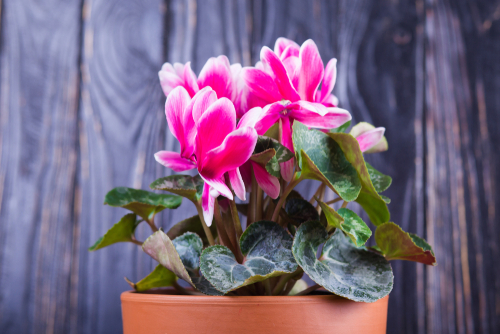
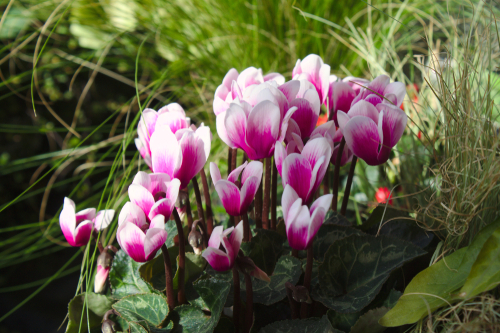
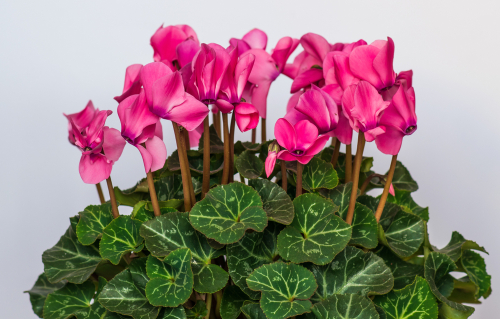
These belong to the genus *Cyclamen* in the primrose family. They don’t have much in common with true violets, but they are stunning indoor bloomers from September through April. They thrive in bright, cool spots (think 55–65°F), making them perfect for a drafty hallway or a cool bedroom. Keep them out of hot living rooms and direct, scorching sunlight.
Cyclamen are pretty low-maintenance if you follow two rules: water from the bottom (to keep the tuber from rotting) and fertilize regularly. If you pluck off the faded blooms, they’ll keep putting on a show for a long time. Once they finish blooming in the spring, stop watering and remove the leaves. Let the plant rest in a shady spot (outside is great!) for the summer. In the fall, repot it with fresh soil and bring it back inside to start the cycle over.
The African Violet
This classic houseplant isn’t a *Viola* either; it’s actually part of the *Gesneriad* family and hails from the Usambara Mountains in Tanzania. The only reason we call them “violets” is because the original wild versions had that signature violet-blue color. To keep these guys happy, here’s what you need:
- A bright, warm spot (no chilly drafts here!)
- High humidity
- Standard potting soil
- Consistently moist (but not soggy) soil
- Fertilizer every two weeks
- Regular deadheading of old blooms
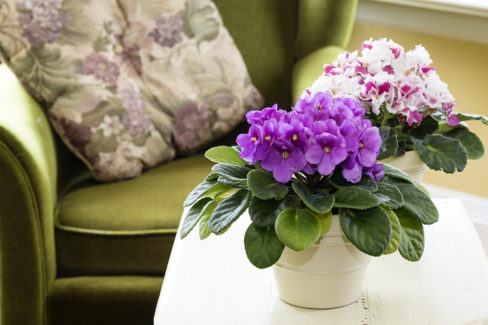
African Violets are famous for their fuzzy, thick leaves. You can find them in shades of purple, pink, or white, with flower styles ranging from simple petals to fancy double blooms.