If you want your tulip tree to truly thrive, getting the location and soil right is half the battle. These trees are stunning, but they can be a bit picky about where they put down roots! To help your tree reach its full potential, I’ve broken down everything you need to know about finding that perfect spot.
The Ideal Spot for Your Tulip Tree
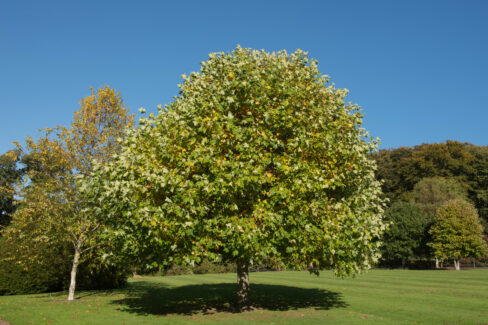
First things first: the tulip tree is definitely not for small backyards. These giants can soar up to 130 feet high and spread their canopy about 65 feet wide, so they need plenty of elbow room. You’ll also want to make sure neighboring plants aren’t too close—give them space so they don’t get crowded out as the tree matures. Here’s what a tulip tree’s “dream home” looks like:
- Lots of full sun (or at least partial shade)
- A spot that’s protected from high winds
- Plenty of distance from roads, driveways, and buildings
Why is the location so important?
Picking the right spot from day one sets the stage for healthy, vigorous growth. When a tulip tree is happy, it can put on as much as 28 inches of new height a year! Safety is also a factor; as these trees get older, their wood can become a bit brittle, so a wind-protected area helps prevent branches from snapping during a storm.
One more thing to keep in mind: transplanting a tulip tree is a major headache, and once they’re big, it’s pretty much impossible. Choosing a forever home with enough space saves you a lot of work later and ensures the tree’s growth isn’t stunted. If you do find yourself in a tight spot after a few years, you can manage the size a bit with some careful, strategic pruning.
Soil Preferences: What’s Under the Surface?
Tulip trees are a bit like Goldilocks when it comes to dirt. They perform best in soil that is:
- Well-draining loam
- Nutrient-rich and consistently moist
- Slightly acidic
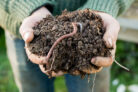
While they *can* survive in sandy or drier soils, they won’t grow nearly as fast or look as lush. Pro tip: Before you plant, mix some high-quality compost into the hole to give your young tree a boost. After that, make sure to fertilize regularly to keep those essential nutrients flowing.