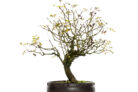
Typically, bonsais are grown from fast-growing trees that naturally sprout a ton of branches. Now, the African Tulip Tree definitely has the growth speed down, but it’s a bit stingy when it comes to branching out. If you want that classic bushy look, you’re going to have to step in with some early pruning to give it a helping hand.
Growing an African Tulip Tree as a Bonsai
If you’re looking to train an African Tulip Tree into a bonsai, you’ll want to start with the youngest plant possible. Your best bet is to take a cutting and let it root, or you can start from scratch by planting seeds and working with a seedling.
Sowing the Seeds
The cool thing is you can start your seeds indoors any time of year using a seed tray. Here’s the game plan:
- Fill your tray with a good seed-starting mix.
- Scatter the seeds on top and cover them with just a thin layer of soil.
- Press down lightly and give them a gentle watering.
- To create that “mini-greenhouse” vibe, pop a plastic bag over the tray.
- Make sure to air it out regularly so you don’t run into mold issues.
- Keep the temperature steady between 68°F and 77°F (20-25°C).
- Keep the soil consistently moist.
- Expect to see sprouts in about two to three weeks.
Once your little seedlings reach a decent size, it’s time to start pruning. Since these trees don’t naturally branch out much, frequent trimming is the secret sauce to encourage that full, branched-out look. Just remember to be gentle!
Caring for Your Bonsai
Just like its full-sized cousins, an African Tulip Tree bonsai is definitely not a fan of the cold. It craves warmth and plenty of light. Ideally, you’ll want to keep your bonsai in a climate-controlled sunroom or a greenhouse where temperatures stay around 68°F (20°C). High humidity is also a must-have for these tropical beauties.
Water your bonsai regularly, but be careful not to let it sit in soggy soil—root rot is a real mood killer. You’ll also want to feed it with a quality bonsai fertilizer at regular intervals. And, like any bonsai project, you’ll need to keep up with shaping cuts and occasional root pruning to keep it healthy and looking sharp.
Winter Care
Since the African Tulip Tree isn’t winter-hardy (it’ll shiver at even a slight chill), it needs to spend the winter months in a nice, warm room. The temperature can drop a little lower than in the summer—around 60°F (15°C) is fine—but it still needs plenty of light and high humidity. From October to April, dial back the watering a bit and skip the fertilizer entirely until spring rolls back around.