When it comes to the world of Hyssops (the *Agastache* genus), we’re really looking at two distinct groups of plants that bring totally different vibes to the garden. By picking the right neighbors based on their unique growth habits and blooms, you can create some seriously stunning summer displays. If you’re looking for a little inspiration on how to style your Hyssops, you’ve come to the right place!
How do I pair perennial Hyssops?
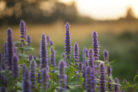
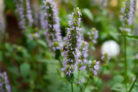
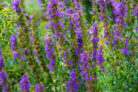
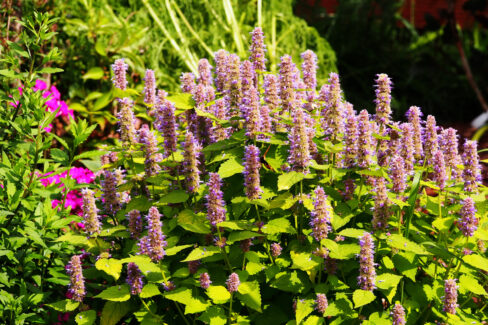
There are four main species of Hyssop native to China, Korea, and North America that thrive as perennials in our climate. These hardy *Agastache* varieties are real showstoppers, sometimes reaching a majestic height of up to 8 feet! From June through September, they show off compact, candle-like flower spikes in shades of white or blue, set against broad, serrated green leaves. The most famous of the bunch is *Agastache rugosa*, which is the parent of many of those premium hybrids you see at the nursery.
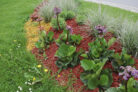
Here are some of my favorite companions for these tall, perennial Hyssops:
- Golden Yellows: Try pairing them with ‘Pleniflora’ Hollyhocks (*Alcea rosea*), Black-eyed Susans (*Rudbeckia*), or other sunny yellow perennials.
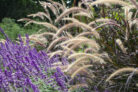
- Airy Grasses: White Sand Lovegrass (*Eragrostis trichodes*), Diamond Grass (*Calamagrostis brachytricha*), and other ornamental grasses add great texture.
- Crisp Whites: Wandflower (*Gaura lindheimeri*), Japanese Aster (*Kalimeris incisa*), and other white-blooming beauties create a clean, classic look.
- Cool Blues & Purples: Bee Balm (*Monarda*), Drumstick Allium (*Allium sphaerocephalon*), and other blue perennials make for a dreamy palette.
- Pop of Orange: ‘Aten’ Daylilies (*Hemerocallis*) or ‘Jowey Winnie’ Dahlias bring a vibrant, energetic feel to the mix.
What about styling annual Hyssops?
The second group of Hyssops hails from South America and California. While they aren’t quite as frost-hardy, these exotic beauties make up for it with extra-large, airy flower spikes in brilliant reds, pinks, and oranges. Their foliage is a bit more slender and lance-shaped. Standing between 15 and 30 inches tall, *Agastache mexicana* and *Agastache aurantiaca* are much more compact than their Asian cousins.
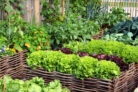
For a look that really pops, try pairing these annual Hyssops with medium-sized, white-flowering summer plants. I love using native-style flowers like Yarrow (*Achillea millefolia*), Feverfew (*Tanacetum parthenium*), or Oxeye Daisies (*Leucanthemum vulgare*). If you’re planting in a raised bed or a balcony box, try adding some flowering groundcovers at their feet for a lush, layered look. Bellflowers (*Campanula*), Stonecrop (*Sedum spurium*), or Million Bells (*Calibrachoa*) are all fantastic choices.
Which bee-friendly plants make good neighbors?
If you want to see your garden buzzing with life, Hyssops are a must-have. Bees, hummingbirds, and butterflies absolutely love them! In a pollinator-friendly garden, both the large and small varieties should have a spot. To create a pollinator paradise, try these combinations:
- Plant your Hyssops alongside a wildflower seed mix designed for bees.
- In a smaller space, create a “pollinator strip” using Hyssops and nectar-rich annuals.
- For a dedicated bee bed, mix Hyssops with Golden Marguerite (*Anthemis tinctoria*), Knapweed (*Centaurea jacea*), Carthusian Pink (*Dianthus carthusianorum*), or Bee Friend (*Phacelia*).
Pro Tip: The “Good Mood” Kitchen Herb
Did you know Hyssop is as good in the kitchen as it is in the garden? The leaves of *Agastache rugosa* have a refreshing minty flavor that’s perfect for drinks and garnishes. North American Anise Hyssop (*Agastache foeniculum*) adds a delicious licorice-fennel kick to salads and fish dishes. Then there’s the South American *Agastache mexicana*, often called the “Lemonade Plant.” Whip up a cold infusion or a hot tea with its citrusy leaves—it’s a guaranteed mood booster!