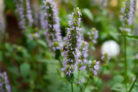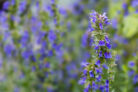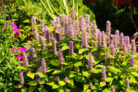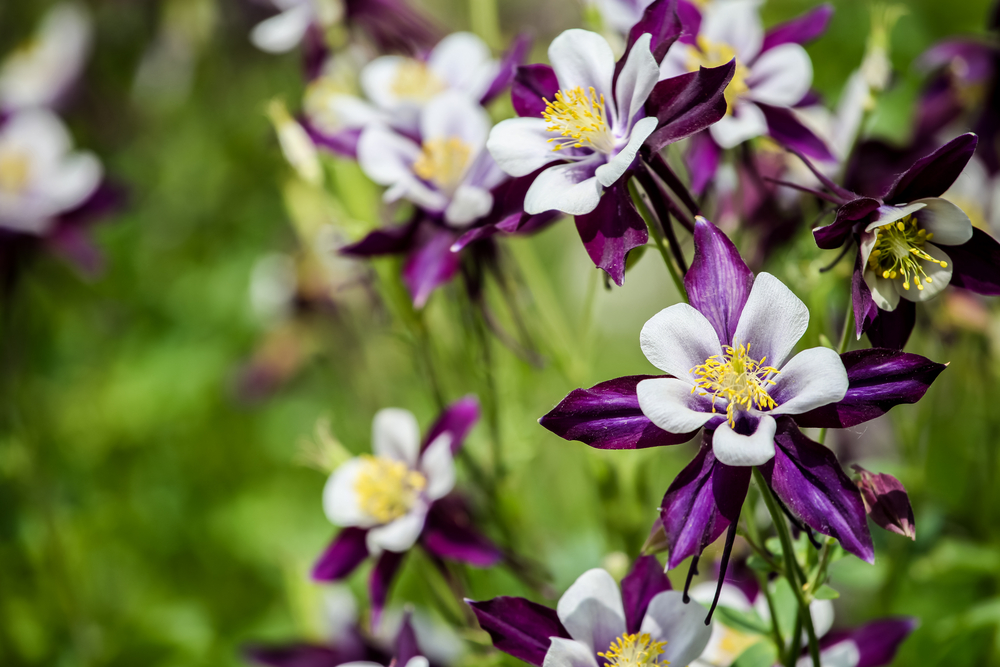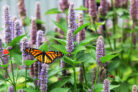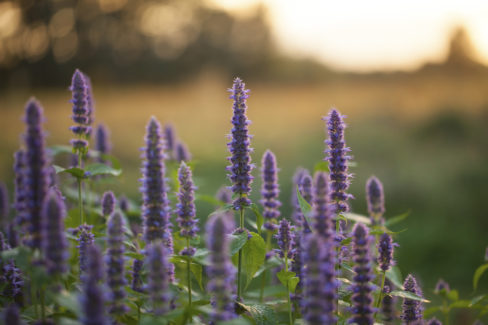
Anise Hyssop (botanical name: *Agastache*) is a stunning member of the mint family that really stands out in the garden with its fragrant, wand-like flower spikes. Not only do they smell amazing, but they are also absolute magnets for bees, butterflies, and other pollinators. Most gardeners love them because they’re so low-maintenance, but if you want yours to bounce back next year, you’ll need to give them a little TLC during the winter months.
Overwintering Your Anise Hyssop
When it comes to getting these beauties through the winter, it all depends on which variety you’ve planted. Some types, like the Korean Mint (*Agastache rugosa*), are incredibly hardy and can handle temperatures down to -4°F. Others, like the Mexican Giant Hyssop (*Agastache mexicana*), are a bit more sensitive to the cold and need some extra protection. Here’s how to prep them:
- Cut the plant back all the way to the ground in late fall.
- Apply a thick layer of compost over the root zone to act as an insulating blanket.
- Cover the entire area with evergreen boughs or brush for extra protection.
- Make sure the soil doesn’t get waterlogged. Good drainage is key—if rainwater or melting snow sits around the roots, the plant will likely rot.
- You can usually remove this winter “armor” around March.
Overwintering Potted Anise Hyssop
If you’re growing your Agastache in pots or containers, they’ll need a frost-free spot to spend the winter.
- Just like the garden plants, cut them back close to the soil line in October.
- Move the pots to a bright, frost-free room—think a cool sunroom, an unheated hallway, or even a chilly bedroom.
- Water very sparingly; you just want to keep the root ball from drying out completely.
- Skip the fertilizer entirely during this dormant phase.
- Keep a close eye out for any hitchhiking pests.
Caring for Your Anise Hyssop
These lovely perennials do best in a sheltered spot with well-draining soil. Before you plant, it’s a great idea to mix some coarse gravel or expanded clay into the soil to improve drainage. This is especially vital for winter survival, as soggy “wet feet” will lead to root rot and kill the plant faster than the cold will.
Once you’ve found the perfect spot, Agastache is pretty much “set it and forget it.” In the spring, you can work a little compost into the soil to give the new growth a boost, but you don’t need to worry about heavy fertilizing after that. Watering isn’t a huge chore either; these plants actually prefer drier soil, so you only need to break out the hose during long dry spells. One heads-up, though: slugs and snails think young plants are delicious, so keep an eye out and protect your seedlings!