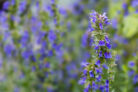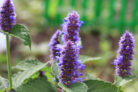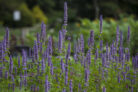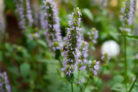
Hyssop leaves have a wonderful spicy kick with a pleasant hint of bitterness, which is why most of us love snip-sniping a few sprigs for the kitchen. But if you let it go, those stems will eventually turn woody. To keep this perennial subshrub looking fresh and full of new growth, you’ve got to stay on top of your pruning game.
Harvesting for the Kitchen
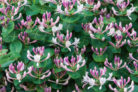
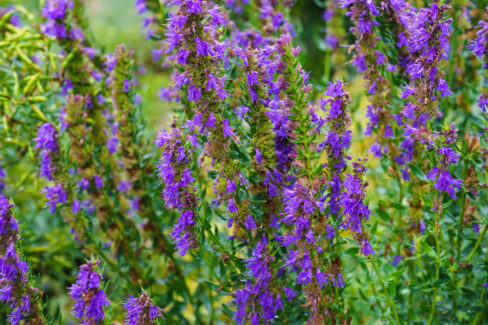
If you’re growing hyssop in your backyard, you’re probably after that unique, herbal flavor. When you’re ready to cook, the best time to grab your shears is right before you plan on using it. You can harvest hyssop throughout the entire growing season, but for the best aroma, aim for the leaves on the fresh, new shoots. Don’t forget—those beautiful violet-blue flowers are edible too and make a stunning garnish!
Preventing Woodiness and Promoting Bushy Growth
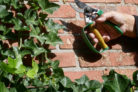
Once you’ve sown your seeds in a sunny spot, hyssop takes off pretty quickly. Over time, it develops into a woody subshrub. The catch? Hyssop won’t sprout new growth from old, woody stems—it just starts looking “leggy” and tired. To keep your plant youthful, give it a regular haircut. This encourages the plant to branch out, resulting in a compact, beautiful shape filled with tender green shoots rather than bare, woody sticks.
When to Prune
For a happy plant, aim to prune your hyssop at least once a year—though twice is even better.
- First prune: Early spring, around March.
- Second prune: Right after it finishes flowering.
- Cut-off date: Try to finish by August at the latest.
If you miss the window after it blooms, it’s actually better to leave the stems alone until spring. Even though hyssop is winter hardy, any new growth triggered by a late fall pruning won’t have enough time to toughen up before the first frost hits.
Pro Tip:
If you want to collect seeds for next year or let the plant self-seed, just leave a few spent flower heads alone when you’re trimming.
How Far to Cut Back
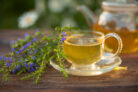
Hyssop (sometimes called “Blue Giant Hyssop” or “Bee Herb”) is pretty resilient. You can safely cut it back by half or even two-thirds. The golden rule is to never cut into the old, hard wood. As a bonus, don’t toss those clippings! Dry them out and save them for a soothing herbal tea next time you have a cold.