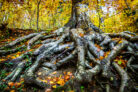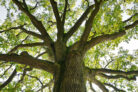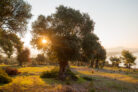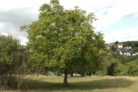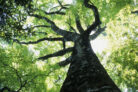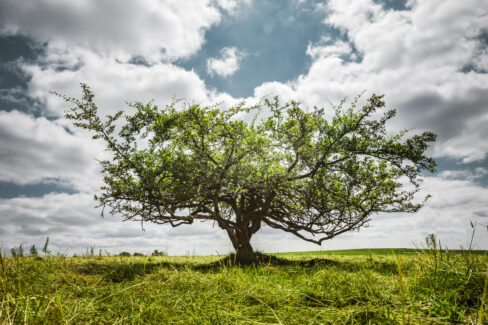
Depending on the species, trees can have vastly different lifespans. Fast-growing trees like alders, birches, or willows usually top out at around 100 years. On the other hand, slow-and-steady growers like oaks, lindens, or beeches can live for several centuries—some even hitting the thousand-year mark!
Why does the age of an apple tree matter?
Knowing how old your apple tree is can be pretty important depending on what you want for your garden. While a tree’s overall health and vitality are the most important factors, knowing its age can help you decide whether it’s worth saving or if it might be time to say goodbye and start fresh.
How long do apple trees actually live?
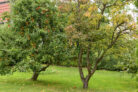
Generally speaking, an apple tree won’t live much longer than 100 years. Compared to some of those forest giants, that’s actually a relatively short lifespan. That said, heirloom apple varieties are incredibly valuable because of their unique flavors, and we definitely don’t want to lose them. Since any apple tree can be reproduced through grafting, it’s always a great idea to graft a piece of a beloved old tree onto a new rootstock before the original tree finally reaches the end of its life.
Rejuvenating an old apple tree
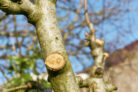
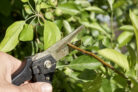
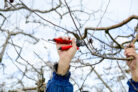
If your tree is looking a bit tired, a rejuvenation prune can work wonders to kickstart new growth and boost your harvest. If you’re only getting a few apples every couple of years and the canopy looks dense and neglected, it’s time for a major trim. We recommend a heavy pruning during the tree’s dormant phase to bring it back to life. You can do this winter pruning anytime between November and March—just make sure to pick a day when it isn’t freezing outside!
How to tell if a fruit tree is dead
Many backyard gardeners look at an old tree and wonder: “Is this thing still alive, or is it a goner?” To find out, you just need to look closely. Pick a thin branch and check out the buds. Carefully peel one open with your fingernail; if it’s fresh and green inside, your tree is still kicking! If it’s dry, brittle, and brown all the way through, that branch—or potentially the whole tree—has likely passed on.