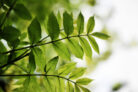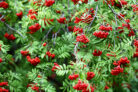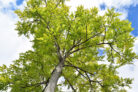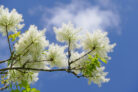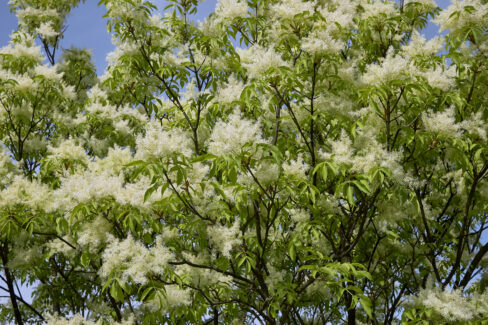
The Ash tree isn’t just one of the most impressive giants in the forest; it’s also a real marathon runner when it comes to lifespan. If the conditions are just right, an Ash can live to be a grand old age of 300 years. Of course, getting to that milestone requires a little bit of luck and the perfect environment.
How Long Do Ash Trees Actually Live?
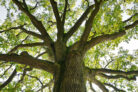
In a perfect world, a Common Ash can hit that 300-year mark. Realistically, though, most of these beauties top out at around 250 years. While that’s still an incredible lifespan, not every tree is destined to become a multi-century senior.
The Secret to a Long Life
So, what’s the trick to a long-lived Ash? It mostly comes down to the location and soil quality. But it’s not just about the dirt—it’s also about who their neighbors are. For example, Beech trees are notorious for being “bad neighbors” to the Ash. They tend to hog all the nutrients in the soil and block out the sunlight. Because they’re such fierce competitors, it’s usually a bad idea to plant Ash and Beech trees right next to each other.
When Do They Start “Adulting”?
In the tree world, we talk about “sexual maturity,” which is just a fancy way of saying the age when the tree starts producing seeds in its fruit. Interestingly, the timing depends on how much space the tree has:
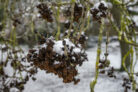
- Lone wolves (Ash trees standing alone) usually start seeding between 20 and 30 years old.
- Trees in crowded forests take a bit longer, usually reaching maturity around 40 to 45 years.
Watching the Ash Grow
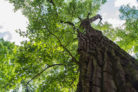
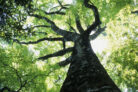
It takes a long time for an Ash to reach its full height of about 130 feet (40 meters). They actually go through a massive growth spurt in their youth, but as they get older, they settle into a much slower, steadier pace.
What’s Happening Underground?
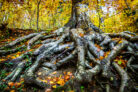
As the decades (and centuries!) roll by, the root system becomes incredibly strong. Young Ash trees start with what we call a “heart root” system. As the tree matures, it develops deep “sinker roots” that can dive up to five feet deep into the earth, anchoring the giant firmly in place.