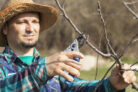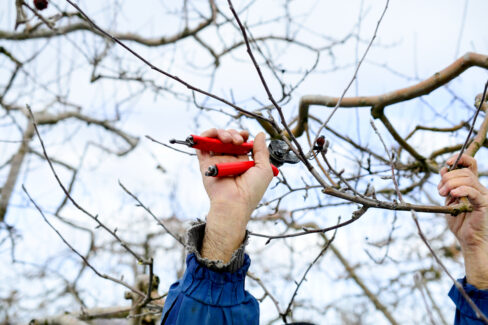
Winter is the prime time to get out there and prune your fruit trees, especially your apple trees. If you get the technique right, you’re not just keeping your tree healthy for years to come—you’re also setting yourself up for a massive harvest. Here’s a quick guide on how to tackle your winter pruning like a pro.
Timing is everything: Prune in the winter months
Winter is actually the best time to prune because, without all those leaves in the way, you can clearly see the “skeleton” or structure of the tree crown. Aim to prune your apple tree between November and March. Just a quick tip: check the forecast first! You don’t want to prune if it’s colder than 21°F (-6°C), as the wood becomes brittle and can easily shatter or get damaged.
Heavy vs. light pruning: Know your goals
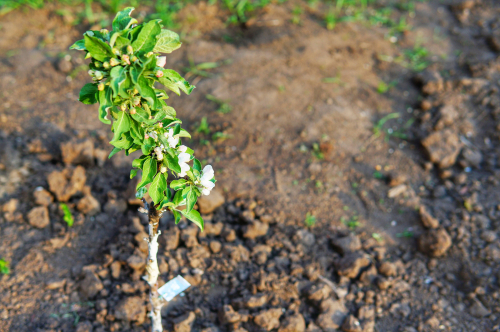
Before you start clipping, think about what you want the tree to do next spring. A “heavy” prune (cutting back a lot) actually triggers vigorous new growth. On the other hand, a “light” prune results in more modest growth but encourages the tree to put its energy into developing fruiting wood. Generally, you’ll go for a heavy prune when you’re rejuvenating an older tree or doing an initial planting cut for a sapling.
Grab the right gear
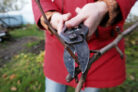
To do the job right, you’re going to need a few reliable tools. Make sure you have a sharp pair of hand pruners (secateurs), a sturdy pruning saw, and maybe a handsaw for the thicker stuff. If you’re dealing with a taller tree, a telescopic lopper is a total lifesaver for reaching those high branches without a ladder.
The right way to make the cut
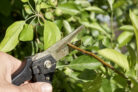
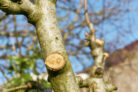
When you’re making a cut, precision matters. You want to cut just above a bud—not so far away that you leave a “dead” stub, but not so close that you damage the bud itself. Aim for a slight angle so water can run off. If you spot any diseased branches, cut them back all the way to the healthy wood. For side shoots that need to go, prune them right back to the main branch.
Handling the big branches
Large branches can be tricky because they tend to snap and tear the bark as they fall. To prevent this, use the “undercut” method: saw a little bit into the bottom of the branch first, then make your main cut from the top down, close to the trunk. If the remaining surface is a bit rough, you can smooth it out with a sharp knife to help it heal faster. Finally, for those really large wounds, it’s a good idea to apply a wound sealer (artificial bark) to protect the tree from drying out or catching fungal infections.