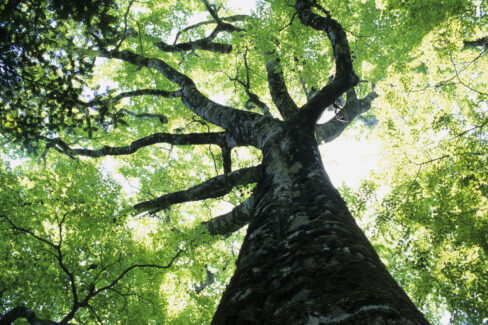
When you see a Beech tree reaching for the sky, it’s pretty clear it plans on sticking around for a while. Scientifically known as *Fagus*, these giants are definitely built for the long haul. But just like any living thing, even the sturdiest tree has its limits. Let’s dive into just how long these beauties actually live.
The Maximum Lifespan of Beech Trees
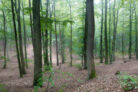
If you’ve ever wandered through an old-growth forest, you know that Beech trees can reach a ripe old age. Based on years of observations, experts generally put their upper age limit at around 320 years. While a few tough specimens in the perfect location might hit that milestone, most don’t come anywhere close. It’s not just bad weather, diseases, or pests that cut their lives short; many are harvested early because their wood is so highly valued. And honestly? A Beech tree in a backyard garden usually won’t live as long as one left to its own devices in the wild.
Average Age of Beech Trees
When you look at the big picture and factor in all Beech trees, that “max age” number drops significantly. On average, these trees live to be about 150 years old—roughly half of their potential lifespan.
How to Estimate a Beech Tree’s Age
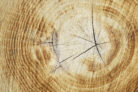
Once a tree has been cut down, counting its rings makes it easy to tell its age. But for a living tree? You have to do a little detective work. If you’re curious about a tree in your neighborhood, you can estimate its age by measuring the trunk:
- Measure the circumference of the trunk at two different heights.
- Take one measurement at about 3 feet and another at 5 feet.
- Calculate the average of those two numbers.
- Multiply the average (in centimeters) by 0.6.
- The result is a solid ballpark estimate of the tree’s age.
Pros will also look at the specific environment to get a better idea of the tree’s growth rate. For some truly ancient trees, local historical records can also provide clues to when they were planted.
Regional Differences in Longevity
In Germany, you’ll find the oldest Beech trees (often called “Starkbuchen” or “Strong Beeches”) in the south, specifically in Bavaria and Baden-Württemberg. Up in the north, the sandy soil and coastal climate aren’t quite as friendly to them, so they generally don’t reach those record-breaking ages.
Quick Tip:
The Beech is a classic tree with a lot of history. We’ve rounded up all the most interesting facts and essential info for you in our Beech Tree Profile.