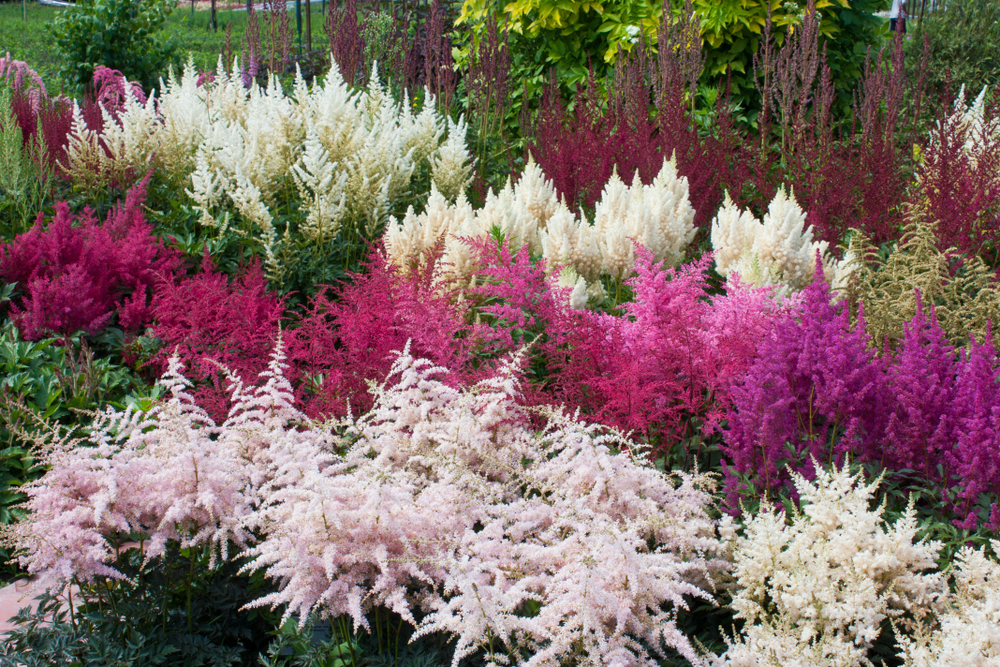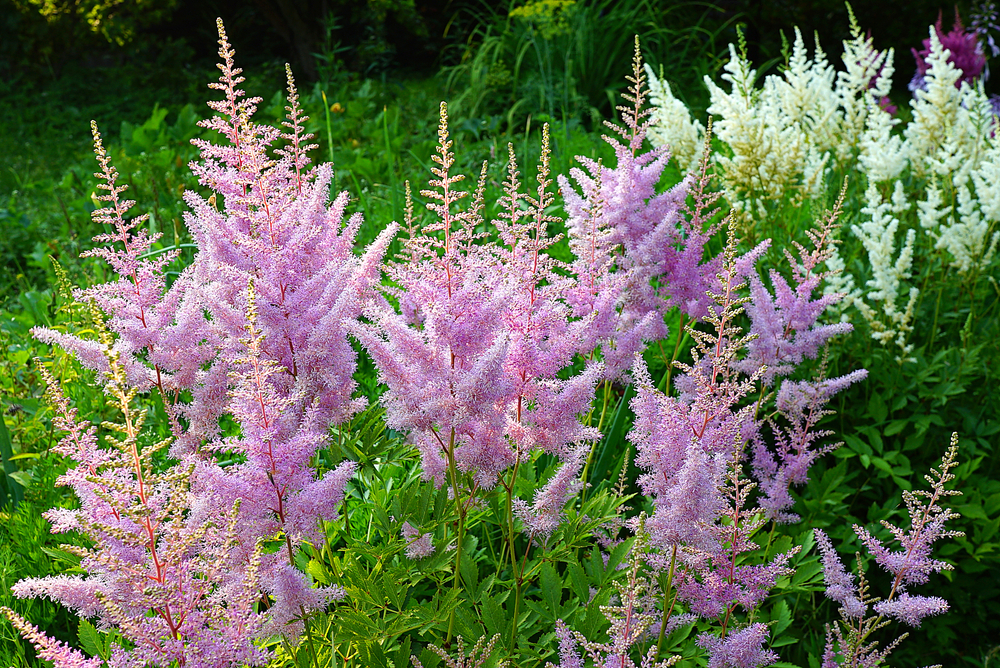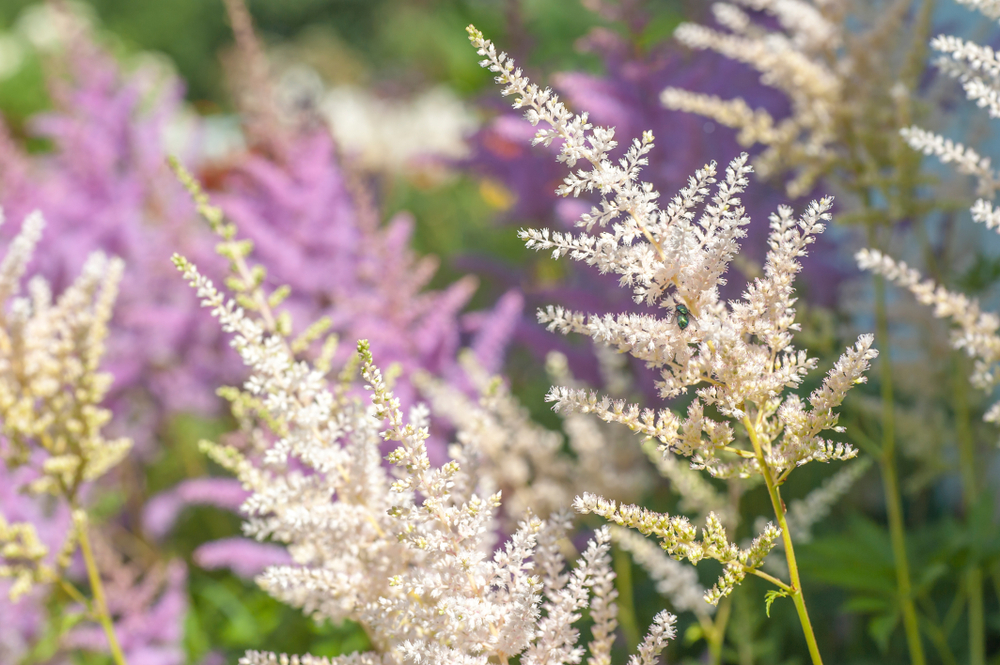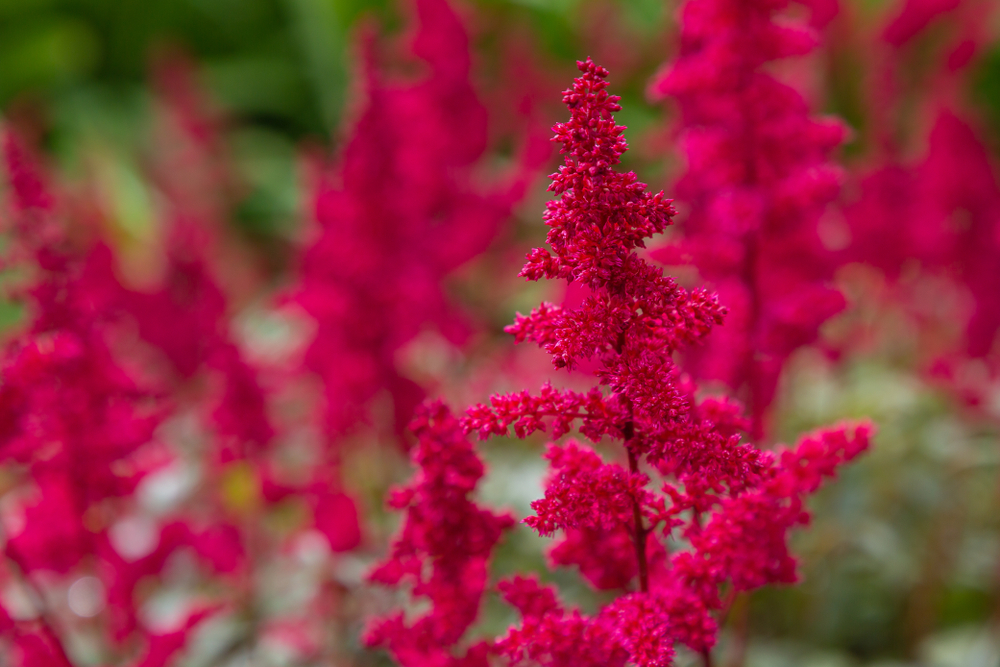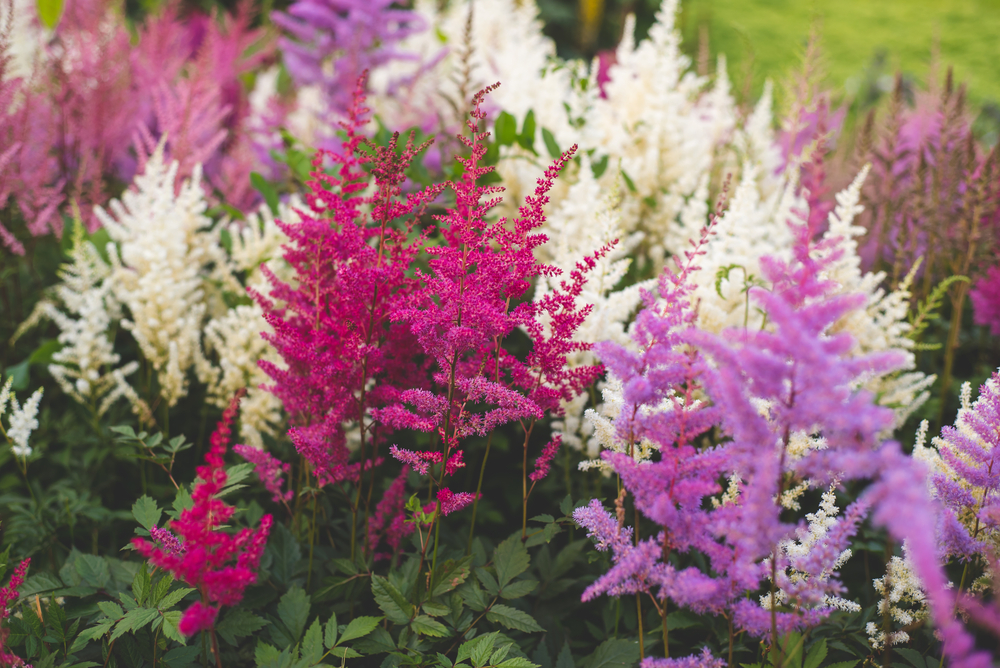
If your garden is glowing with shades of white, pink, violet, and red at different times throughout the summer, there’s a good chance you’re looking at the gorgeous Astilbe—also known as False Spirea. These plants are a total win for any gardener because they pack a huge visual punch with very little maintenance. Let’s dive into why these beauties deserve a spot in your yard.
Straight from the Forests of Japan
We have the woodlands of Japan to thank for the Astilbe. Because their feathery flower plumes are so stunning, they quickly spread from East Asia to gardens all over the globe. Today, there are about 24 known species of False Spirea, which have been bred into countless different varieties. One of the coolest things about them? Different varieties bloom at different times. This means you can keep your garden colorful all season long just by mixing and matching different types of Astilbe.
A Quick Guide to Varieties
Listing every single variety would take all day, so let’s focus on the popular ones you’ll usually find at your local nursery or garden center. To make planning easier, I’ve grouped these by when they typically show off their blooms (though the exact color will depend on the specific cultivar you pick):
- Astilbe japonica: Blooms in June (Colors: red, pink, white)
- Astilbe arendsii: Blooms June through August (Colors: white, pink)
- Astilbe thunbergii: Blooms June through August (Colors: pink, purple)
- Astilbe chinensis: Blooms August through September (Colors: white, light pink, red)
What They Need to Thrive
No matter which variety you fall in love with, the secret to success is picking the right spot in your garden. Luckily, almost all Astilbes share the same preferences. They are happiest in partial shade with soil that is rich in nutrients and drains well. If you give them those basics, they’re incredibly low-maintenance—just make sure to water them regularly and give them a little fertilizer twice a year, and they’ll be good to go!