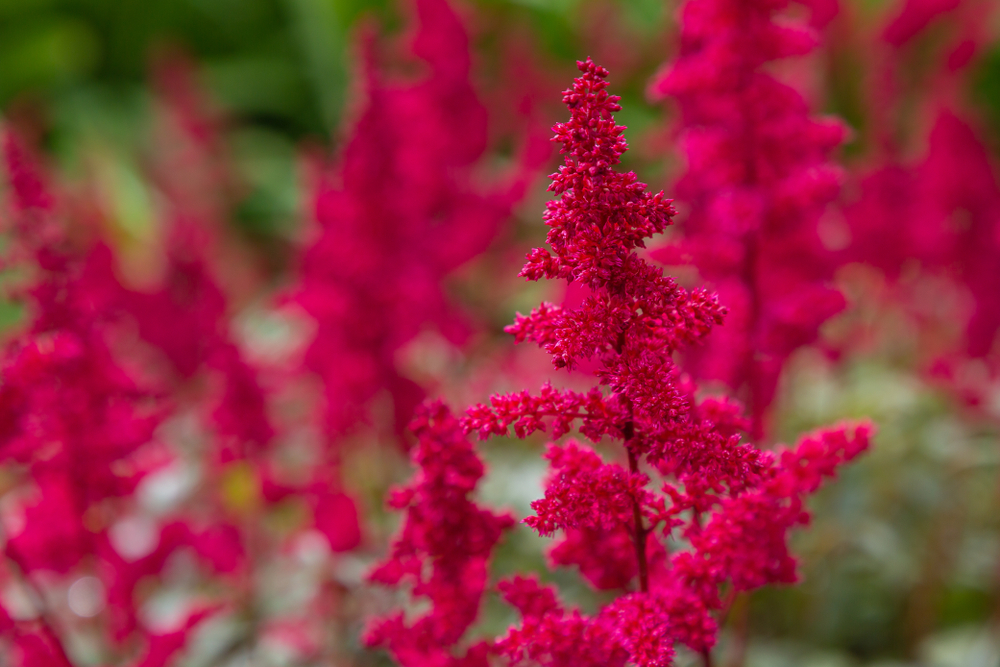
Astilbes are a total favorite in the garden, and it’s easy to see why! Between their stunning range of colors and the fact that different varieties bloom at different times, they keep the garden looking gorgeous all season long. It’s no wonder so many of us want to fill our yards with even more of them. If you’re looking to expand your collection, you’ve got a few great options to make it happen.
Propagating by Division
By far the easiest way to get more Astilbes is by dividing the root balls. Just dig up the plant and use a sharp spade to split the root clump into as many sections as you’d like. A good rule of thumb is to make sure each new piece is at least the size of your fist. Try to be as gentle as possible so you don’t damage the roots too much during the process. When you’re ready to replant, space your new sections about 20 inches (half a meter) apart. To give them the best start in their new home, mix some well-rotted compost into the planting hole.
Using Cuttings
You can also grow new Astilbes (sometimes called False Spirea) from cuttings. For this, you’ll want to look for the rhizomes the plant naturally sends out to spread. Choose strong, healthy rhizomes that already have a few runners starting. Pro tip: stick to young shoots that haven’t turned woody yet. When you move them to their new spot, make sure not to bury them too deep. Just like with division, enriching the soil with a little compost will give them the nutrients they need to thrive.
Growing Astilbes from Seed
The third option is growing them from seed, though there’s a reason you usually see Astilbes sold as potted plants rather than seed packets at the garden center. They can be a bit finicky! Here’s what you’re up against:
- Astilbe seeds need light to germinate, but they absolutely hate direct sunlight.
- For the seeds to sprout, you need to keep the temperature steady between 72°F and 77°F (22-25°C).
- They require a very high, consistent level of moisture in the soil to get going.
Because they can be so high-maintenance as seedlings, I usually recommend sticking to root division or cuttings. It’s much faster and way more reliable!