Azaleas are famous for their stunning range of colors, but let’s be honest: brown is definitely not a shade any gardener wants to see. If your azalea’s petals are looking more “crispy” than “colorful,” it’s time to play detective. You’ll need to figure out what’s bothering your plant and take action fast to get it back on track!
Why are my azalea blooms turning brown?
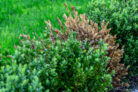
The most common reason azalea flowers turn brown is simple thirst—the plant isn’t getting enough water. However, it could also be something more serious like petal blight, root and crown rot, or bud blast. Your first move? Clean up! Remove all those brown flowers from the plant and the ground. Once you’ve tidied up, you can identify the root cause and start the right treatment.
Common culprits for brown azalea flowers
Whether you’re growing a hardy garden azalea or a delicate indoor variety, brown petals are usually a cry for help. It’s often a sign of a “oops” in the care routine or a specific disease. Check your plant for these common issues:
- Lack of water (under-watering)
- Waterlogging (over-watering)
- Petal blight
- Root and crown rot
Less commonly, outdoor azaleas can fall victim to the rhododendron leafhopper. These pests spread a fungus called bud blast, which turns flower buds brown and eventually a charred-looking black.
What should I do with the brown flowers?
Once you’ve inspected the brown blooms to figure out what’s wrong, get rid of them. Don’t just leave them on the branches; pick them off, and make sure to rake up any that have fallen to the ground. This is super important because fallen petals can harbor spores that spread disease. If you discover the plant has root rot, I have some bad news: the plant likely won’t survive. In that case, it’s best to dig up the whole azalea and replace the surrounding soil so the fungus doesn’t infect your next garden addition.
How to fix the problem and save your blooms
If your azalea is drying out because it’s thirsty, it’s time to get your watering routine in check. The goal is “just right”—never bone-dry, but never sitting in a puddle. Believe it or not, over-watering actually causes dehydration because it rots the roots, preventing them from drinking. If you’re dealing with petal blight, a fungicide can help clear things up. A pro-tip for the fall: add a fresh layer of mulch around the base to help trap any lingering spores in the soil.
Quick Tip: Fighting bud blast starts with the bugs
If you spot tiny, grasshopper-like insects hanging out on your Japanese azaleas, you’ve likely got rhododendron leafhoppers. Since the fungus they carry is tough to treat once it takes hold, your best bet is to focus on getting rid of the leafhoppers themselves as a preventative measure.